Last updated November 18, 2026

Free written scope consultation - allowances, timeline, and change-order rules on paper before a single trade is scheduled
Driveway & Pavers Maintenance Checklist for Denton Homeowners
Most driveway cracks in Denton don’t start at the surface. They start six inches below it, where expansive clay soil swells against a base layer that was never compacted to account for local moisture swings. Homeowners spend money sealing the top of a slab while the ground underneath does the real damage, and by the time the crack reaches daylight it’s already a base problem wearing a surface disguise. This guide reframes paver and driveway maintenance around the actual failure mechanism: the soil, the base, the drainage. You’ll learn when Denton’s clay is most active, how to tell polymeric sand failure from base failure, which sealers hold up to North Texas temperature swings, and the early signs that a repair is sliding toward a full replacement.
Quick Answer
Driveway and paver maintenance in Denton comes down to three habits: inspect the base and edges after every wet spring, replenish joint sand before summer heat bakes the joints open, and seal only with products rated for the wide temperature range a North Texas year throws at a slab. The surface is what you see. The base is what decides whether the surface lasts.
Styles & brands we work with
- Kitchen remodeling
- Bathroom remodeling
- Home additions & ADU
- Roofing
- Windows & doors
- Driveway & pavers
- Fence
Table of Contents
- Why the Ground Under Your Driveway Matters More Than the Surface
- How Denton’s Clay Soil Behaves Through the Year
- A Seasonal Inspection Schedule for Denton’s Wet Springs and Dry Summers
- Polymeric Sand Failure vs. Base Failure: How to Diagnose Which You Have
- Concrete vs. Pavers vs. Asphalt: Maintenance Burden in Denton’s Climate
- Which Sealers Work in Denton’s Temperature Range
- Early Warning Signs a Repair Is About to Become a Replacement
- Drainage, Gutters, and Slope: The Cheap Fixes That Protect Expensive Surfaces
Why the Ground Under Your Driveway Matters More Than the Surface
A driveway is a layered system, and every layer has a job. The subgrade is native soil. The base is compacted aggregate. The surface is the concrete, asphalt, or paver layer you walk and park on. When the subgrade moves, the base loses its compaction, the surface loses its support, and cracking or settling follows. Sealing the top of a surface sitting on a shifting base is cosmetic work on a structural problem.
In Denton, the subgrade is the wild card. The expansive clay under much of the city changes volume with moisture content, swelling after a wet stretch and shrinking back when the dry season sets in. That cycle repeats, and a base that was compacted at one moisture level doesn’t stay compacted through all of them. It’s why two driveways poured the same month on the same street can age completely differently depending on drainage, tree cover, and how the builder handled the subgrade.
This is the reason we frame every driveway & pavers project around what happens below the surface. A proper build starts with an assessment of the soil, a base depth matched to the load the driveway carries, and compaction done in lifts rather than in one pass. If the base is wrong, no surface material or sealer rescues it.
What the Surface Actually Tells You
Cracks, settling, rocking pavers, and sand washing out of joints are all symptoms, and each one points to a different cause. Learning to read the symptom saves you from paying for the wrong fix. A hairline crack along a control joint is normal movement. A widening crack that runs across the slab and repeats the following season is a base signal. A paver that rocks underfoot means the bedding layer has lost contact with the base beneath it.
How Denton’s Clay Soil Behaves Through the Year
North Texas clay doesn’t move randomly. It responds to moisture, and moisture in Denton follows a fairly predictable annual rhythm. The wet spring pushes clay to its expanded volume. The dry summer and early fall draw that moisture back out and the clay contracts. The pattern is not a severe freeze-thaw cycle, but the volume change is real and it accumulates in the base layer over years.
What that means for a Denton driveway:
- Spring is the swelling season. Clay presses upward and outward, which can lift slab edges and heave paver fields slightly out of plane. This is the time to look for new gaps at expansion joints and along the garage apron.
- Summer is the shrinking season. As clay pulls back, voids can open under slab corners and along edges, which is where settling and corner cracks begin.
- Fall is the transition. Moisture returns gradually, and this is the most forgiving window to correct drainage and re-sand joints before the next wet cycle.
- Winter here is mild, so the main threat stays moisture movement rather than frost. The soil still reacts to rain and dry spells, which is why a dry winter followed by a wet March can be more stressful to a base than cold temperatures.
A mature tree near the driveway concentrates this effect. Roots pull moisture from the soil during dry months, which accelerates shrinkage on that side, and the driveway develops a lean or a crack pattern that mirrors where the roots are. If you have a large oak or pecan within a few feet of the slab edge, expect that side to show stress first.
A Seasonal Inspection Schedule for Denton’s Wet Springs and Dry Summers
A driveway doesn’t need constant attention. It needs the right check at the right time of year, tied to how the clay is moving. Here’s the schedule we walk homeowners through, arranged so each inspection catches the problem before the next season makes it worse.
- Early spring, after the last big rain. Walk the perimeter and look for soil pulled away from the slab or paver edge. Check every expansion joint for new width. Look at the garage apron for cracking where the driveway meets the foundation.
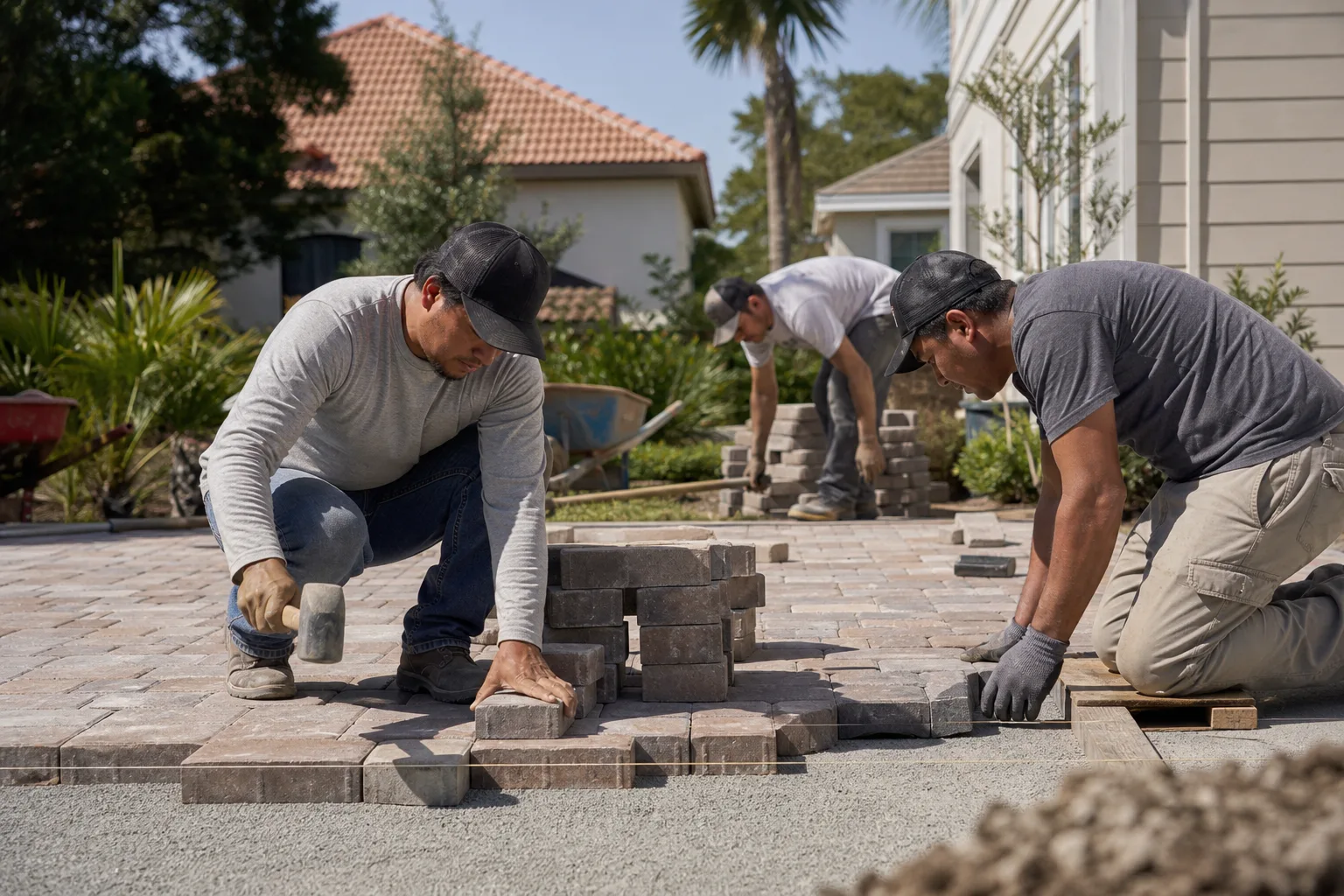
- Late spring, before the heat sets in. Inspect paver joints for sand loss and top off with the correct joint sand. This is the single most cost-effective task a paver driveway owner does. Confirm that water still drains away from the slab and doesn’t pool against the garage.
- Midsummer. Check for new cracks, especially near corners and along the edges where voids form as clay shrinks. On pavers, look for any that have started to rock or settle out of plane. Test that downspouts and gutter outlets still move water well past the driveway edge.
- Early fall. This is the best window to reseal a concrete or paver surface, re-sand joints, and correct any grading or drainage issues before the next wet cycle. The temperatures are moderate, which matters for how a sealer cures.
- Late fall into winter. Do a final full walk. Photograph any changes so you can compare them next spring. If a crack has widened since the previous year, that’s a base-movement signal worth flagging.
Write the date on each inspection and keep the photos. A driveway’s decline is slow enough that homeowners miss it, but a record of the same crack photographed a year apart tells the whole story. If you’re planning a larger exterior overhaul alongside the driveway work, the same seasonal thinking applies to a fence installation, which also depends on good base and drainage.
Polymeric Sand Failure vs. Base Failure: How to Diagnose Which You Have
Both problems look similar from standing height, and homeowners often pay for the wrong repair. The distinction matters because one is a low-cost maintenance fix and the other is a rebuild. Here’s how to tell them apart in a paver driveway.
Signs of Polymeric Sand Failure
- Sand washing out of the joints after rain, especially on a slope or near a gutter outlet.
- Joints that look recessed, with visible gaps between paver edges.
- Weeds and grass sprouting in the joints, even after you pull them.
- Pavers that feel solid underfoot and sit flush with their neighbors.
- The overall field of pavers is still flat and even.
Polymeric sand failure is a joint problem. The pavers themselves are sitting on a stable base, and the fix is to clean out the joints and re-install fresh joint sand with the product that matches your climate. It’s maintenance, not reconstruction.
Signs of Base Failure
- Pavers that rock or shift when you step on them.
- Low spots or dips in the paver field, sometimes with water pooling there after rain.
- A whole section of pavers settling as a unit, not individual stones.
- Sand loss continuing even after joint sand has been freshly installed.
- Edges pulling away from the border restraints.
Base failure means the support under the pavers has lost its compaction. Re-sanding joints on a failing base is like patching drywall over a soft stud. It looks fine until it doesn’t. If you see rocking pavers or repeated dips, the base needs to be evaluated before more money goes into the surface.
Why the Distinction Matters for Denton Clay
Denton’s clay is the reason base failure shows up here more often than homeowners expect. Polymeric sand and joint sand can fail on their own from water, but base failure usually ties back to subgrade movement. When the diagnosis is base failure, the repair involves lifting the field, re-compacting or rebuilding the base, and re-setting the pavers. Getting that verdict right the first time is worth more than any sealer.
Concrete vs. Pavers vs. Asphalt: Maintenance Burden in Denton’s Climate
All three driveway types work in Denton, and all three demand something different from the homeowner. The comparison that matters is not which surface looks best on day one, but which one you can keep up with given the clay beneath it and the moisture cycles above it. Here’s an honest look at the maintenance reality for each.
Concrete
- Repair style: Crack filling, joint sealing, and occasionally mudjacking or slab replacement when the base settles.
- The Denton risk: Concrete is rigid, so when the clay moves beneath it, the slab cracks rather than flexing. Control joints and proper base prep are what keep those cracks from spreading.
- Maintenance rhythm: Seal within the first couple of seasons and re-seal periodically; fill cracks as they appear.
Pavers
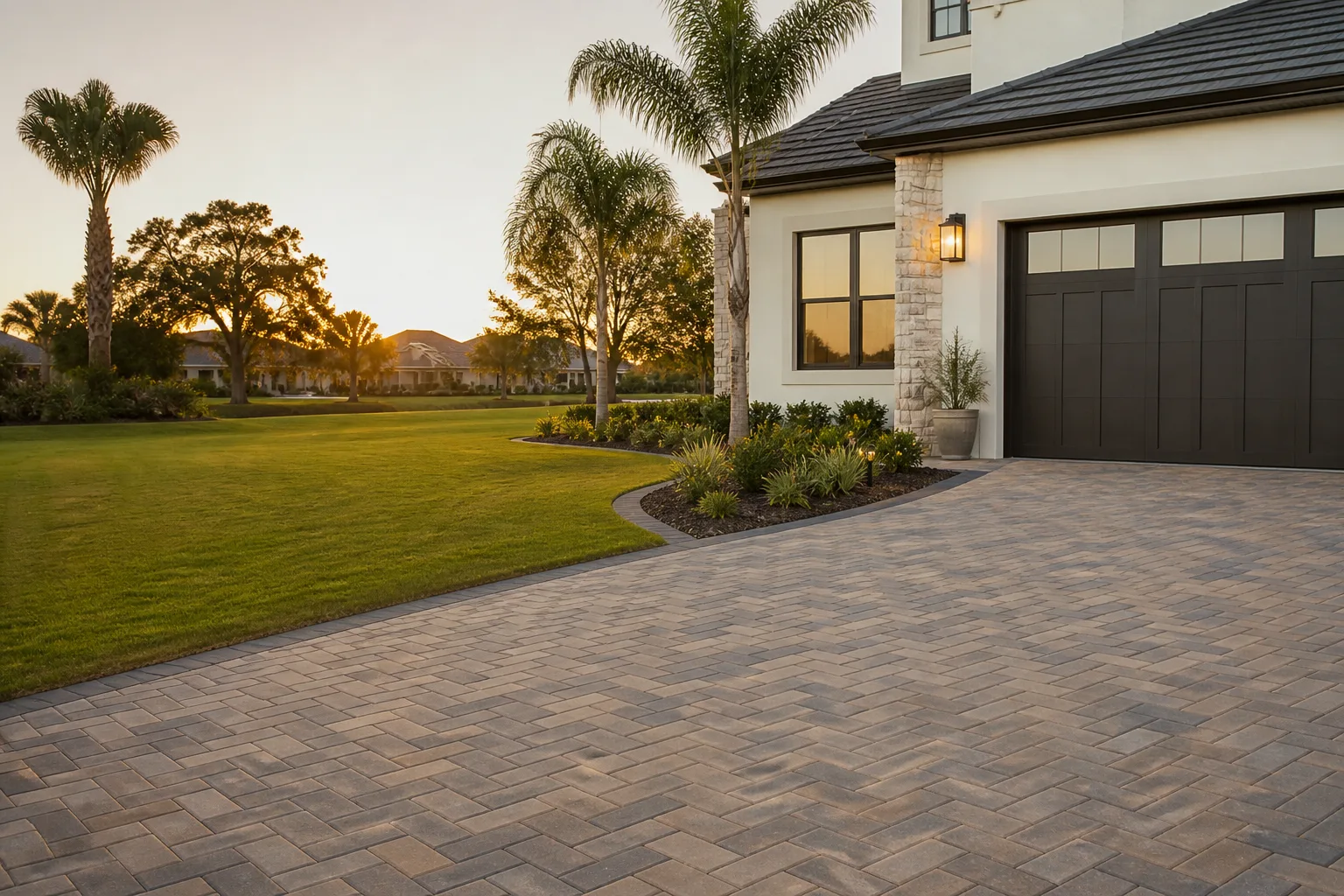
- Repair style: Individual pavers can be lifted and re-set, and joints re-sanded, without tearing out the whole field.
- The Denton risk: Joint sand loss is the constant chore, and base movement shows up as rocking or settling sections.
- Maintenance rhythm: Re-sand joints seasonally and after heavy storms; seal every few years; inspect the base regularly.
Asphalt
- Repair style: Crack sealing, patching, and eventual resurfacing.
- The Denton risk: Heat makes asphalt softer and more prone to rutting, so heavy vehicles in summer punish it. Base movement leads to alligator cracking.
- Maintenance rhythm: Sealcoat periodically and address cracks early before water enters the base.
No matter the surface, the maintenance cost each year climbs when the base is neglected, and it drops when drainage and compaction are right. Call (855) 720-1779 for a free estimate if you’re weighing a surface change, and we’ll talk through which material fits how your yard drains. We answer 24/7, and fast dispatch runs from 7am to 7pm, Sunday through Friday.
Which Sealers Work in Denton’s Temperature Range
Denton’s surface temperatures swing from mild winters to hot summers, and that range is where generic big-box sealers fall short. A sealer has to stay flexible through moderate weather and resist breaking down under summer heat. Cheap products sold without a stated temperature rating often cure brittle or chalky, and you’re back to resealing sooner than you should be.
Two lines we specify because they’re formulated for this kind of range are Techniseal and Alliance Gator. Both are built for paver and hardscape applications with realistic temperature tolerances and resistance to wear. The reason to name a brand is that formulations differ in how they handle moisture vapor and UV, and the difference shows up in year two rather than week one.
Sealing Rules That Apply Regardless of Brand
- Seal a dry surface. Moisture trapped under a sealer causes haziness and adhesion failure. Wait until the pavers or concrete have dried thoroughly after rain.
- Match the product to the material. A paver sealer is not a concrete sealer. Using the wrong one leaves a film, traps dirt, or wears unevenly.
- Do not seal over failing joints or a moving base. Fix the diagnosis first, then seal. Sealing a base failure just hides the symptom.
- Respect the temperature window on the label. Application timing matters, and the label is where the manufacturer tells you the safe range.
Sealing is a maintenance layer, not a fix. It slows wear and helps joints hold, and it makes cleaning easier, but a sealer cannot restore a base that has lost compaction. If you’re seeing movement, get the base evaluated before you invest in sealing.
Early Warning Signs a Repair Is About to Become a Replacement
Every replacement starts as a repair that was postponed. The signals below tell you that a base or surface is sliding past the point where patching saves money, and they’re the ones homeowners most often miss because they look at the surface and skip the edges, joints, and drains.
- Cracks that come back in the same spot. A filler that fails within a season or two means the movement is ongoing, not a one-time event.
- Repeated dips in the same section of pavers. Re-sanding won’t hold if the section keeps settling; the base beneath it is failing.
- Widening gaps at the garage apron or slab edges. This is where clay movement stresses the seam between the driveway and the foundation.
- Water pooling that didn’t used to pool. A change in drainage often means a surface has dropped or a slope has been lost.
- Multiple adjoining pavers rocking together. When several stones move as a group, the bedding layer has lost support across a broader area.
- Tree roots lifting or crushing the edge. Roots close to a slab push and pull soil, and once they reach the driveway edge, surface repairs don’t hold.
The Inspection Points Most Homeowners Skip
Look under the downspouts where water exits. Check the transition between the driveway and any walkway or apron, because that joint reveals movement. Inspect the far edge along the yard, where soil meets the slab and where the base is easiest to undercut by washing. And look at the overall slope, not just the flat middle, since water that runs the wrong way does more damage than any single crack. These are the spots we check first on Construction Denton projects, because they’re where the expensive problems hide.
Drainage, Gutters, and Slope: The Cheap Fixes That Protect Expensive Surfaces
Most driveways in Denton fail because water is handled badly, not because the material was wrong. If storm runoff lands on the slab and stays there, the clay swells, the base softens, and the surface takes the damage. Fixing drainage is far cheaper than replacing a driveway, and it’s the first thing we look at before recommending an install.
- Keep downspouts pointing away from the driveway. Extensions and splash blocks move roof runoff away from the slab edge instead of dumping it against the base.
- Maintain a positive slope. Water should leave the driveway, not flatten out and pool at the low corner.
- Clear the gutter outfalls. A clogged outlet sends water back across the pavers instead of out to the yard.
- Fix low spots early. A dip that collects water after rain is a base problem developing, and it’s cheaper to correct before the surface cracks.
When a driveway is replaced, the base and drainage get rebuilt together. That’s the same logic behind any larger exterior project, and it’s why a full-scope partner helps here: when you’re planning additions and site work together, drainage gets solved once instead of three times. See how we approach home additions & ADU work if you’re planning exterior changes that touch grading and drainage around the house.
Common Mistakes to Avoid
- Sealing over a moving base. If pavers rock or a slab is cracking anew each season, sealing hides the symptom and traps the problem underneath. Diagnose the base first.
- Re-sanding joints before the base is checked. Fresh sand washes out again quickly when the pavers are moving. Confirm the base before you spend on joint sand.
- Buying the cheapest sealer on the shelf. Generic products without a stated temperature range break down faster in North Texas, and you re-seal sooner. Specify a formulation built for the climate.
- Ignoring downspouts and slope. Water management is the cheapest protection on the list, and it’s the most overlooked. Most accelerated wear starts with water in the wrong place.
- Waiting for a crack to reach the driveway edge. Corner cracks and edge gaps show up first and point to base movement. Waiting usually turns a repair into a replacement.
- Skipping seasonal inspections. Denton’s wet springs and dry summers move the ground every year. A short walk-through each season catches problems while they’re still cheap.
- Letting tree roots go unmanaged near the slab. Roots pull moisture and physically lift edges. Address them before they undermine the base and push the pavers out of line.
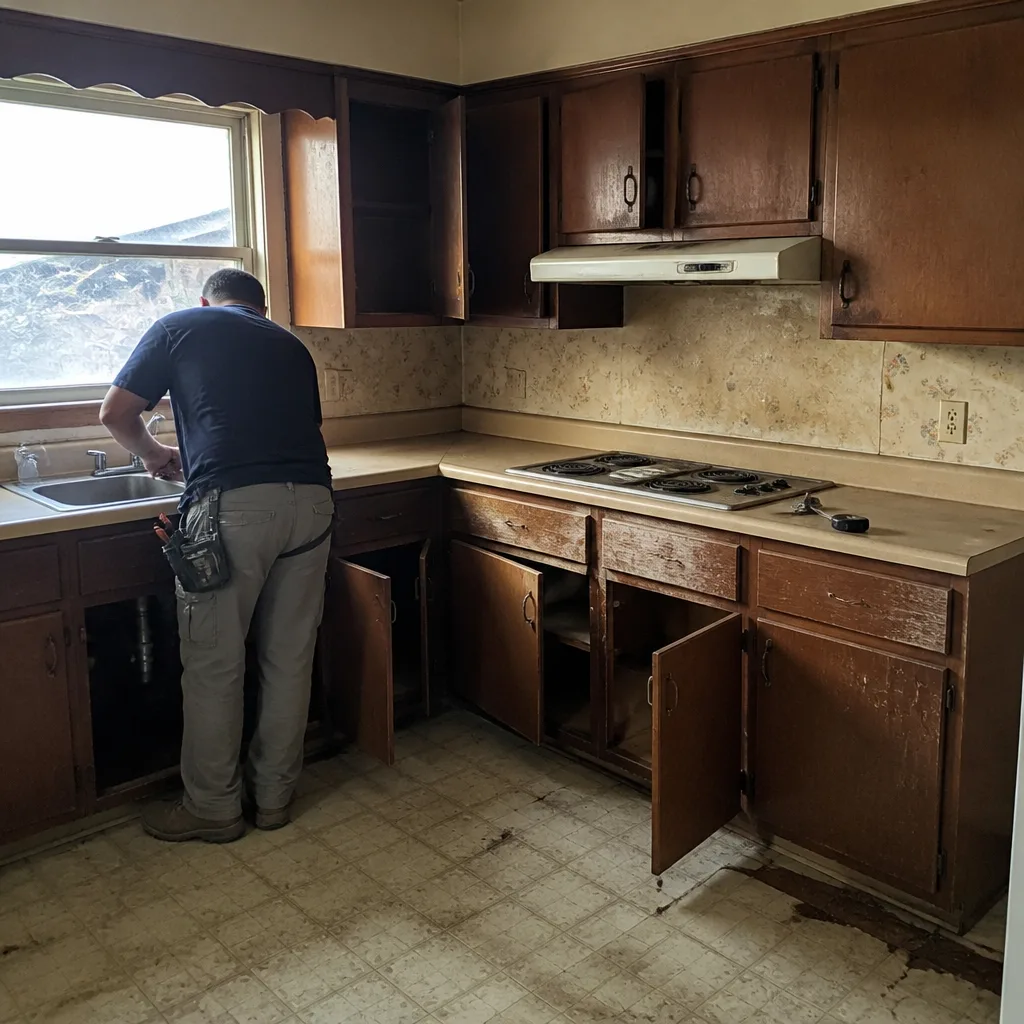
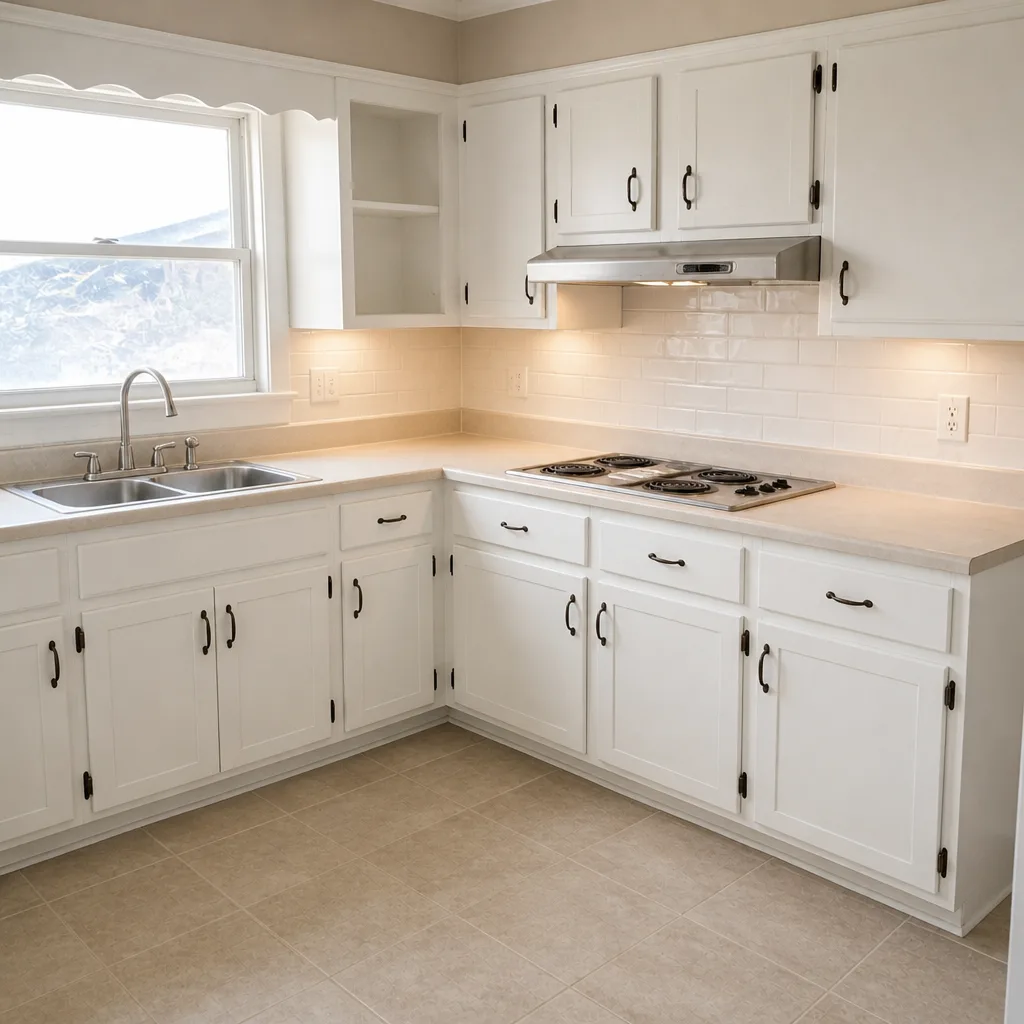
See the difference
 Before
 After
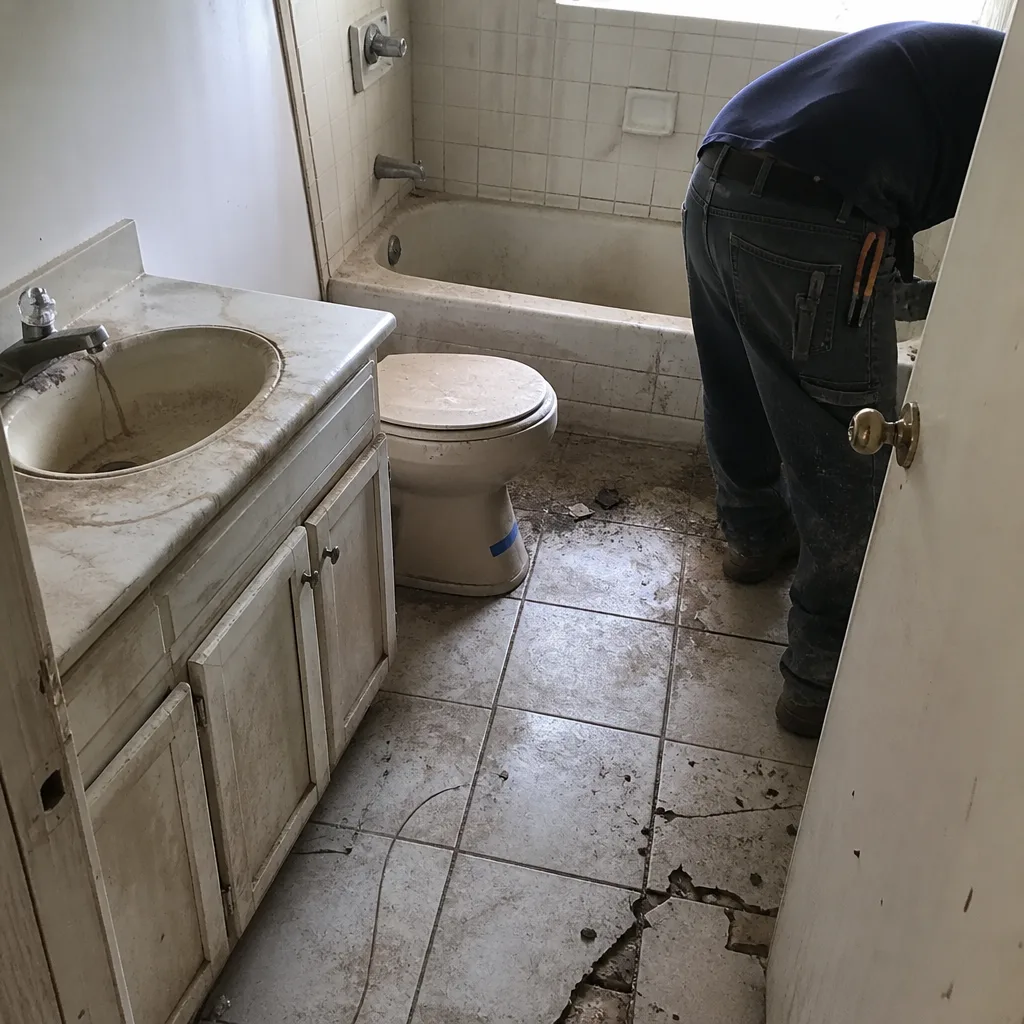 Before
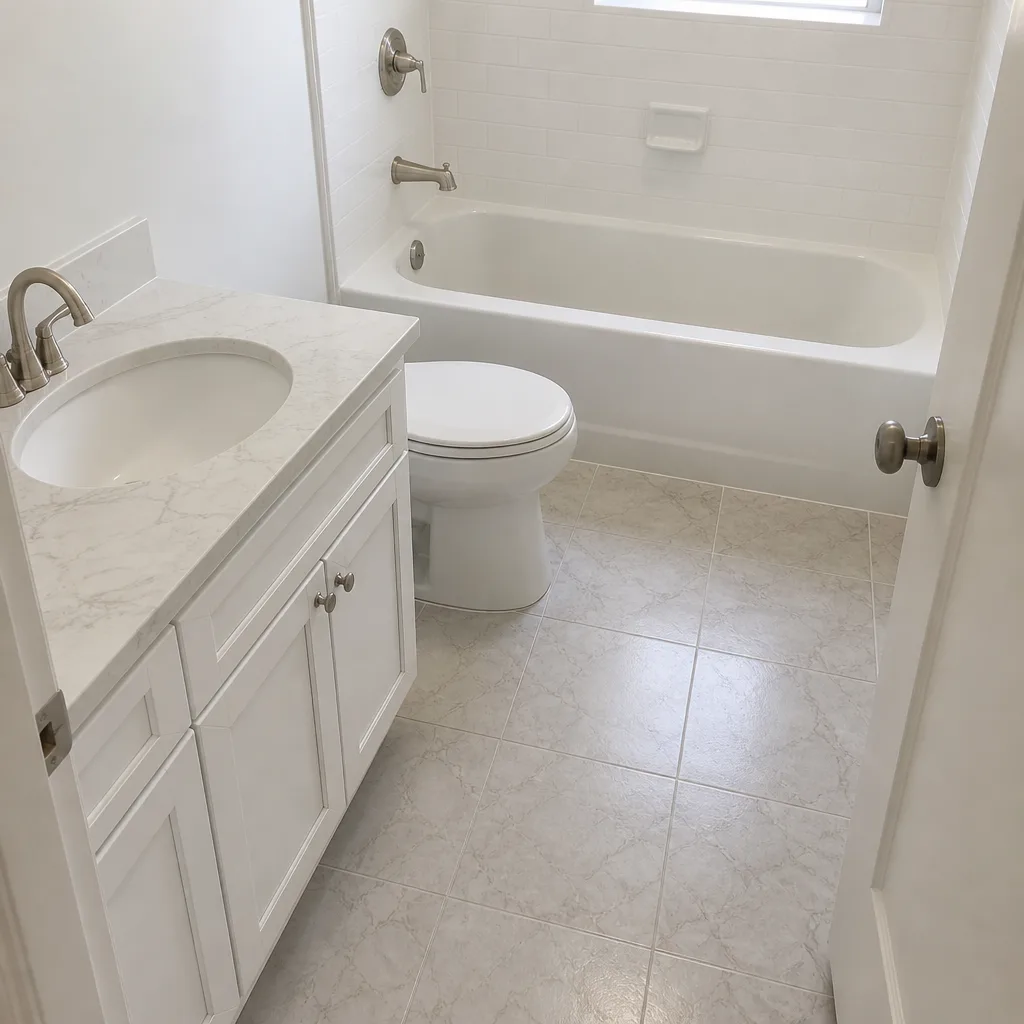 After
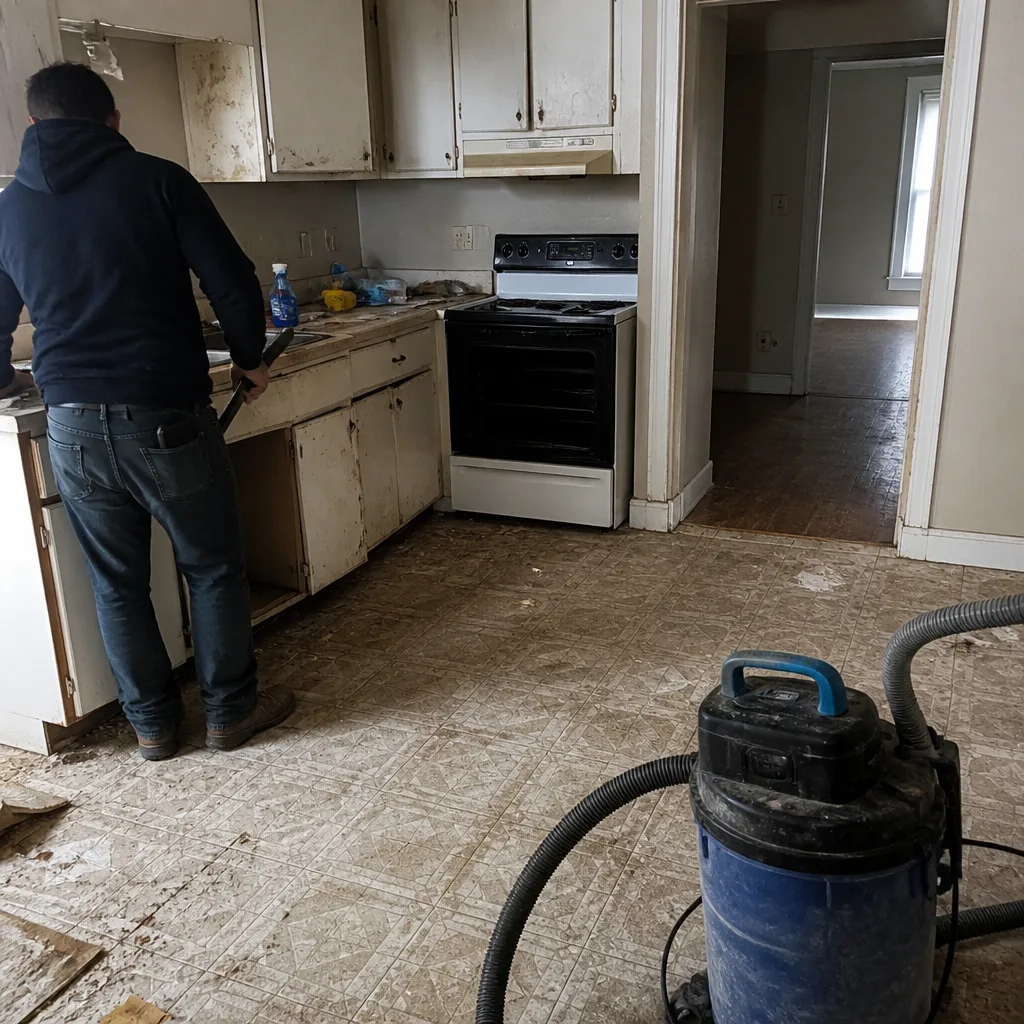 Before
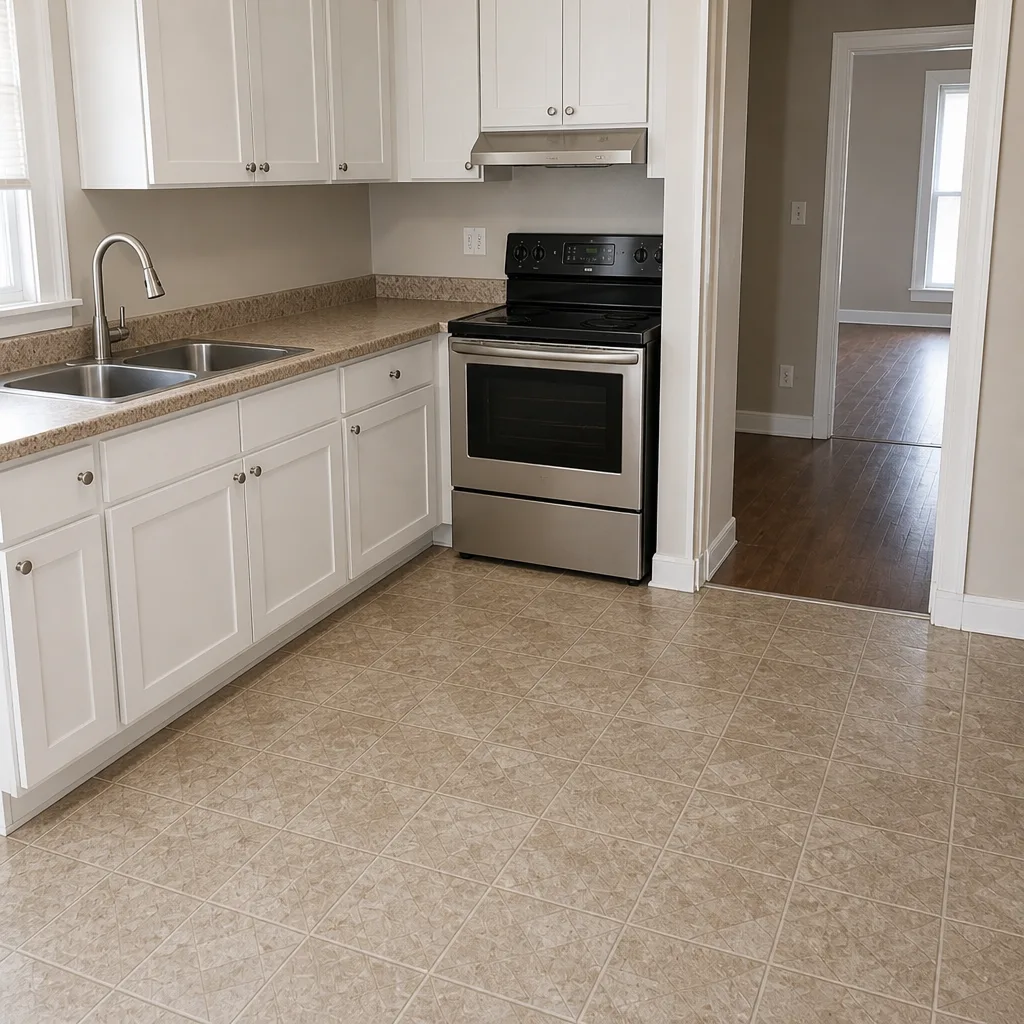 After
When to Call a Professional
Not every driveway task needs a contractor. Re-sanding joints and pointing a downspout are homeowner jobs. But a few situations call for someone who can read the base and not just the surface: pavers that rock or settle as a group, cracks that recur in the same spot, corner cracks along slab edges, water pooling that didn’t before, and any driveway where you’re considering a surface replacement or a switch to pavers. Our technicians have up to 9 years of experience diagnosing exactly these questions, and we’d rather tell you a repair is enough than sell a replacement you don’t need. We work from a written estimate so the number doesn’t move once the work starts. Construction Denton offers free estimates in Denton. Call (855) 720-1779. We answer 24/7, and fast dispatch runs from 7am to 7pm, Sunday through Friday.
Frequently Asked Questions
Most Denton paver driveways do well with a seal every few years depending on traffic, sun exposure, and how much the base moves. Seal when the surface starts to look dull, absorbs water readily, or loses its color, rather than on a fixed calendar. Always diagnose any rocking or settling before sealing. Call (855) 720-1779 for an exact quote – estimates are free.
If the movement is isolated and the base can be repaired in place, a repair usually wins; if a large section is settling, cracking returns every season, or the base has lost compaction across the field, replacement may cost less over time. The deciding factor is always the base, not the surface. Call (855) 720-1779 for an exact quote – estimates are free.
No. We write a line-item estimate before any work begins, and the written estimate sets the final price, so there are no surprise change orders. If we discover something under the surface during the job, we talk it through with you before any cost is added. Call (855) 720-1779 for an exact quote – estimates are free.
For exterior work that requires a permit in Denton, the local professional we connect you with handles the permitting and inspection as part of the job, and you don’t manage the paperwork. Permit requirements vary, so we confirm what’s needed before work starts. Call (855) 720-1779 for an exact quote – estimates are free.
A typical residential driveway takes a few days to a little over a week depending on square footage, base depth, and whether existing material needs removal. The base and compaction stage is the slowest and most important part, and rushing it is what causes premature failure. Call (855) 720-1779 for an exact quote – estimates are free.
Yes. Expansive clay swells in wet springs and shrinks in dry summers, and that movement is what undermines the base and produces the cracks and settling homeowners see up top. Sealing the surface doesn’t address clay movement. Base prep, compaction, and drainage are what do. Call (855) 720-1779 for an exact quote – estimates are free.
The Bottom Line
Driveway maintenance in Denton is really base maintenance. Inspect on Denton’s seasonal rhythm: after the wet spring, before the summer heat, in the moderate fall window, and once more heading into winter. Distinguish sand failure from base failure before you spend, seal only with products rated for the local temperature range like Techniseal or Alliance Gator, and fix drainage first because it’s the cheapest protection you have. Watch for recurring cracks, rocking pavers, and pooling water, since those are the signals a repair is becoming a replacement. When the surface tells you the base is moving, that’s the moment to get it looked at by someone who reads the whole system.
If your driveway is at that point, or you’re planning a new one, give us a call. Construction Denton handles driveways and pavers, fence installation, home additions and ADUs, kitchens, bathrooms, roofing, and windows and doors, so one contractor covers the whole property. We bring a portfolio of brands built for real conditions, from Belgard and Unilock pavers to GAF and CertainTeed roofing systems, and let you choose the finish while we handle the rest. Fencing projects get the same material rigor, with recognized names like Master Halco and Jerith available when the exterior plan calls for it. Call (855) 720-1779 for a free estimate. We answer 24/7, and fast dispatch runs from 7am to 7pm, Sunday through Friday.
Written by the team at Construction Denton.