Last updated November 18, 2026








Free written scope consultation - allowances, timeline, and change-order rules on paper before a single trade is scheduled
How to Hire a Construction Contractor in Denton: A Step-by-Step Guide
A contractor can hold a valid Texas license, carry full insurance, and show you a portfolio of beautiful work, and still cost you money in change orders because they’ve never pulled a permit through the City of Denton’s Development Services department before. That’s the part most hiring guides skip. They tell you to check the license and get three bids, then leave you to figure out the rest. What they don’t tell you is that local competence, the kind that comes from knowing how Denton’s permitting office actually operates and which suppliers deliver on time to a job site on the south side of town, is what separates a smooth project from an expensive lesson. This guide gives you a vetting framework built around that idea. You’ll learn how to read a license lookup, standardize a scope of work before you solicit quotes, spot Texas-specific contract traps, and verify that a contractor’s material relationships are real and not just names on a website.
Quick Answer
To hire a construction contractor in Denton, verify their state license and insurance, then ask five specific questions about the City of Denton’s permitting process to confirm they’ve actually worked here before. Standardize your scope of work in writing before you collect bids, so you’re comparing identical proposals rather than three different versions of the same project. Read the payment schedule and lien waiver language in the contract carefully, and confirm the contractor has real, current relationships with the material suppliers your project depends on. Local knowledge is not a bonus; in Denton, it’s the difference between a permit that moves and one that stalls.
Styles & brands we work with
- Kitchen remodeling
- Bathroom remodeling
- Home additions & ADU
- Roofing
- Windows & doors
- Driveway & pavers
- Fence
Table of Contents
- The Five Questions That Reveal Local Competence
- How to Read a Texas Contractor’s License Lookup
- Red Flags in a Texas Construction Contract
- Why Three Bids Often Mislead You
- How to Verify Material Supplier Relationships
- Understanding Denton’s Permit Process
- Why Denton’s Soil and Climate Affect Your Project
- Common Mistakes to Avoid
The Five Questions That Reveal Local Competence
Every contractor will tell you they know Denton. The question is whether they actually know how the city works. Ask these five questions early, before you sign anything. The answers will separate a contractor who has real local experience from one who has driven through on the interstate.
- “Which department handles residential permits in Denton, and what’s the typical turnaround right now?” A contractor who has pulled permits recently will name the City of Denton’s Development Services department and give you a realistic sense of current timelines. Someone who hasn’t will give you a vague answer about “the city” and “a few weeks.”
- “Have you done work in this specific neighborhood or subdivision before?” Denton spans a wide range, from older homes near the downtown square to newer construction on the western edge. A contractor who has worked in your area knows the lot grading, the age of the housing stock, and what surprises tend to come up.
- “Who handles the inspections, and how do you schedule them?” Local contractors have a working rhythm with the inspection process. They know what inspectors look for and how to avoid the most common callbacks.
- “What suppliers do you use for this type of material, and how far out are they booked?” A contractor with real relationships knows which supplier has what in stock and what the lead times actually are, not what the website says.
- “Can you walk me through a recent project in this area, start to finish, including the permit phase?” Ask for the general shape of the job, not a customer name. Someone with genuine local experience can describe the sequence, the delays, and how they handled them.
If a contractor stumbles on more than one of these, you’re talking to someone who will be learning Denton’s process on your dime. That’s a risk you don’t need to take.
How to Read a Texas Contractor’s License Lookup
Texas requires certain trades to hold a license through the Texas Department of Licensing and Regulation, known as TDLR. The database is public and it’s the first check you should run. What it tells you: whether the license is active, when it expires, and whether there are any disciplinary actions on record. What it does not tell you: whether the contractor is any good, whether they carry general liability insurance, whether they pay their subcontractors on time, or whether they’ve ever worked in Denton.
Here’s how to use it properly:
- Search by name and by license number. If a contractor gives you a license number, verify it directly in the TDLR database. A number on a business card means nothing until you’ve confirmed it’s real and active.
- Check the expiration date. An expired license is a red flag, even if the contractor says they’re “renewing it.”
- Look for disciplinary history. TDLR publishes enforcement actions. A single complaint from years ago may be a fluke; a pattern of complaints is a pattern.
- Confirm the license class matches the work. Different trades have different licensing requirements. Make sure the license covers the scope of your project.
- Ask for a certificate of insurance separately. The license lookup doesn’t show insurance. Request a current certificate of general liability and, if they have employees, workers’ compensation. Call the insurer to confirm the policy is active.
The TDLR database is a starting point, not a finish line. It confirms that a contractor is legally allowed to work in Texas. It does not confirm that they know Denton, that their supplier relationships are current, or that their contract terms are fair. Treat it as one tool in a larger vetting process.
Red Flags in a Texas Construction Contract
The contract is where most disputes begin. Texas law gives homeowners certain protections, but those protections only help if you know what you’re reading. Here are the specific red flags to watch for in a construction contract, with the Texas context that makes each one matter.
- A payment schedule that front-loads the cost. If a contractor asks for more than a third of the total before any material arrives on site, that’s a warning sign. A fair schedule ties payments to completed milestones: a deposit, then payments as specific phases finish, with a final payment held until the job is complete and inspected.
- No lien waiver language. In Texas, subcontractors and suppliers can file a lien against your property if the general contractor doesn’t pay them, even if you’ve already paid the general contractor in full. A contract should include a provision for conditional and unconditional lien waivers at each payment stage. If it doesn’t, you’re exposed.
- Vague scope language. “Install flooring per industry standards” is not a scope of work. It’s an invitation to argue later about what “industry standards” means. The contract should specify materials by brand and product line, not just by category.
- No written change order process. Changes happen. The question is how they’re documented. A contract without a clear change order procedure is a contract that will produce disputes.
- Missing start and completion dates. A fair contract includes a projected start date and a substantial completion date, along with a description of what counts as a delay and how weather or permit issues are handled.
- No warranty terms. Material warranties come from the manufacturer, but workmanship warranties come from the contractor. The contract should state clearly what’s covered and for how long.
Read the entire contract before you sign it. If any of these elements are missing, ask for them in writing. A contractor who resists putting these terms in writing is telling you something about how they handle disputes.
Why Three Bids Often Mislead You
The standard advice is to get three bids and pick the middle one. In practice, that advice produces misleading comparisons more often than good decisions, because three contractors bidding on a verbal description of your project are not bidding on the same thing. One includes permit fees, one doesn’t. One specifies a builder-grade cabinet line, one specifies a premium line, one leaves the cabinet brand blank entirely. The numbers look comparable, but they’re not.
Here’s how to fix that:
- Write a scope of work before you solicit bids. This is the step everyone skips. Take the time to specify the materials, the quantities, and the finish level you want. Name the countertop brand and product line. Name the cabinet brand. Name the roofing system. If you don’t know what you want yet, ask each contractor to propose materials within a defined budget tier, then compare the actual products they propose.
- Ask every bidder to price the same scope. Hand each contractor the same written scope. If they propose an alternative, ask them to price it as an add-alternate alongside the base scope, not in place of it.
- Separate labor from materials. Ask for a line-item breakdown. This makes it easy to see where the bids diverge and why.
- Compare the allowances, not just the totals. Many bids include allowances for materials the homeowner selects later. A low total with generous allowances can end up costing more than a higher total with realistic ones.
- Ask what’s excluded. The exclusions are where budgets break. Ask each bidder to list what is not included in their price.
When you standardize the scope, the bids become a real comparison. You can see which contractor is pricing the same materials more efficiently, which one is proposing a better product at the same price, and which one is cutting corners on the parts of the job you can’t see.
How to Verify Material Supplier Relationships
A contractor’s material relationships matter for two reasons: quality and scheduling. A contractor with a real relationship with a supplier gets priority on deliveries, access to product lines that aren’t stocked at the big-box stores, and a clear line of communication when something goes wrong. A contractor without those relationships is ordering from the same website you could order from yourself, and paying retail for the privilege.
Here’s how to verify that a contractor’s supplier relationships are real:
- Ask for the specific product lines, not just the brand. Anyone can say they work with GAF. Ask which GAF system they specify for your roof and why. Anyone can say they use premium countertops. Ask whether they’re specifying Cambria, Caesarstone, or Silestone, and ask what each one does differently for your application.
- Ask about lead times. A contractor with a real relationship knows the current lead time on a specific cabinet line or roofing system. A contractor without one will tell you “a few weeks” and then miss the date.
- Ask who their rep is. Most suppliers assign a representative to contractors who buy in volume. A contractor with a real relationship can tell you who their rep is and how often they talk to them. This is not confidential information; it’s a normal part of the business.
- Ask what happens if a product is backordered. A contractor with multiple supplier relationships has options. A contractor with one relationship has a problem. For kitchen and bath projects, ask whether they can source from KraftMaid and Wellborn, so you have options if one line is delayed.
- Ask whether the manufacturer’s warranty is affected by who installs it. Some manufacturers require installation by an authorized contractor for the warranty to apply. Ask directly whether the contractor is authorized to install the product you’re considering.
A contractor who can answer these questions specifically and confidently is a contractor with real supplier relationships. A contractor who deflects or gives general answers is telling you something about how your project will go if a material is delayed.
Understanding Denton’s Permit Process
The City of Denton’s Development Services department handles residential building permits, and the process is not the same as it is in Frisco, McKinney, or any of the surrounding cities. A contractor who regularly works in those cities but is new to Denton will be learning the local process on your project. That’s a risk you can avoid by asking the right questions up front.
Here’s what to ask and why it matters:
- “Have you pulled a permit in Denton in the last year?” A contractor who has pulled a permit recently knows the current process, the current timelines, and the current personnel. A contractor who pulled their last Denton permit a few years ago may be working from outdated assumptions.
- “What’s the typical turnaround on a residential permit right now?” This gives you a realistic timeline for your project. If a contractor promises a timeline that sounds too good to be true, ask how they plan to hit it.
- “Who handles the plan review, and what do they typically flag?” Local contractors know the issues that come up repeatedly in plan review. This knowledge saves time and money.
- “How do you schedule inspections, and who meets the inspector on site?” The answer tells you how the project will be managed. A contractor who handles inspections themselves is more accountable than one who sends a subcontractor.
- “What changes if my project needs a variance or special approval?” Some projects run into zoning issues. A local contractor knows the process for addressing them and can steer you around predictable problems.
Ask for documentation of the contractor’s permit history. This is a reasonable request, and a professional contractor will provide it without hesitation.
Why Denton’s Soil and Climate Affect Your Project
Denton sits on clay-heavy soil that expands and contracts with moisture, and that has real consequences for construction. Driveways, patios, and foundations all have to account for it. A contractor who has worked in Denton for years knows how to prepare a base for a paver driveway so it doesn’t heave or crack after a wet winter and a dry summer. A contractor from another part of the state may not.
Winters here are mild, which means outdoor projects can be scheduled more flexibly than in colder climates, but the soil movement is the real issue. Here’s what to ask about:
- “How do you prepare the base for a driveway or patio in this soil?” The answer should involve proper excavation, a compacted aggregate base, and a plan for drainage. A contractor who skips the base prep is a contractor whose work will fail.
- “How do you handle drainage on a lot like mine?” Denton’s soil drains slowly. Water management is part of every outdoor project, whether it’s a driveway, a fence, or an addition.
- “What paver system do you specify for this application?” Commercial-grade paver systems from Belgard, Unilock, and Techo-Bloc are engineered for stability in conditions like ours. Ask which system the contractor recommends and why.
- “How do you account for soil movement in a foundation or addition?” If your project involves a home addition or ADU, the foundation design has to account for the soil. Ask how the contractor plans to handle it.
A contractor who can speak to these issues specifically has real local experience. That matters more than a license or a portfolio when the work is in Denton.
Common Mistakes to Avoid
- Hiring on price alone. The lowest bid is often the one with the most allowances and the vaguest scope. Compare line items and exclusions, not just totals.
- Skipping the written scope. If you don’t define what you’re buying, you can’t compare what you’re being sold. Write the scope first.
- Not verifying insurance independently. A certificate of insurance on file means nothing if the policy has lapsed. Call the insurer and confirm it’s active.
- Ignoring lien waiver language. In Texas, unpaid subcontractors can file a lien against your property. A contract without a lien waiver provision leaves you exposed.
- Assuming the license lookup is enough. TDLR confirms a license is active; it doesn’t confirm the contractor knows Denton or has real supplier relationships.
- Choosing a contractor who can’t answer specific local questions. If they can’t tell you who their supplier rep is or how they prepare a base in Denton’s soil, they’re learning on your project.
- Paying too much up front. A front-loaded payment schedule puts you at risk if the project stalls. Tie payments to completed milestones.
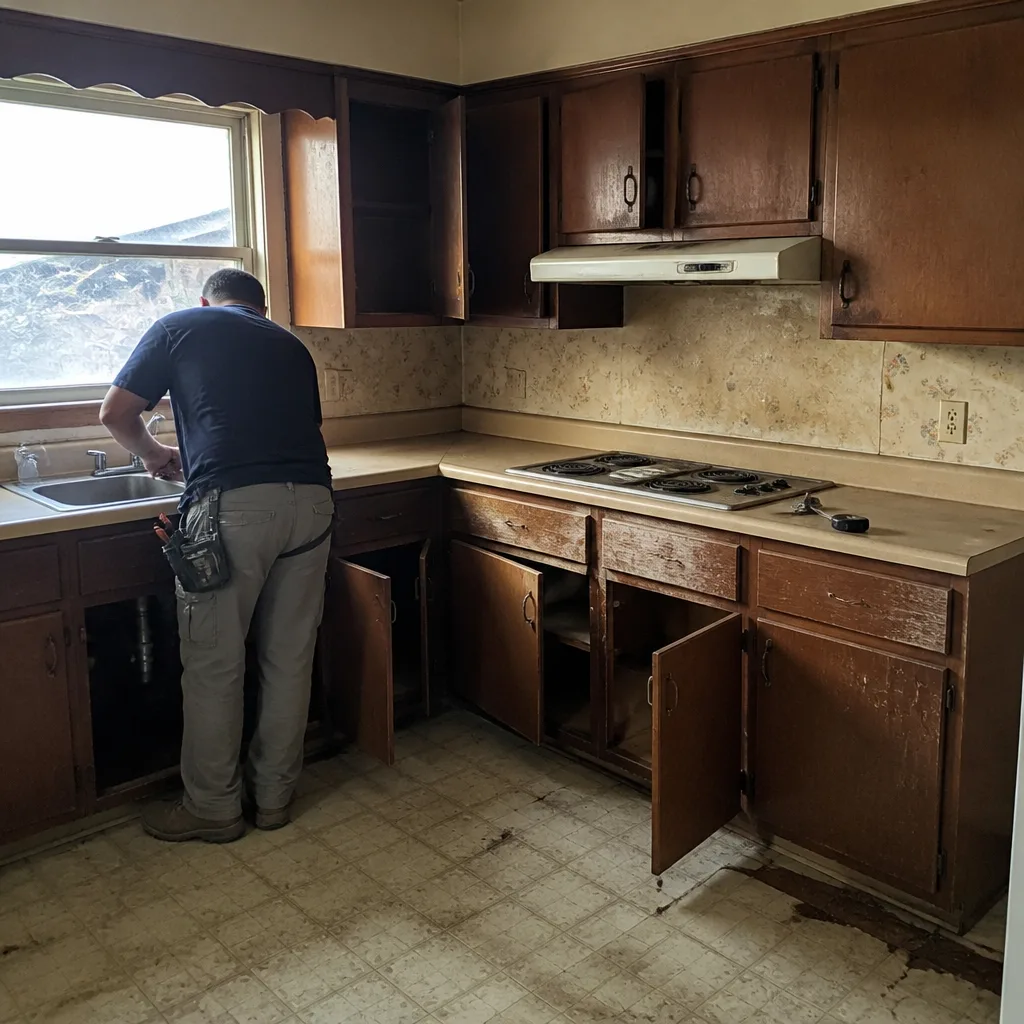
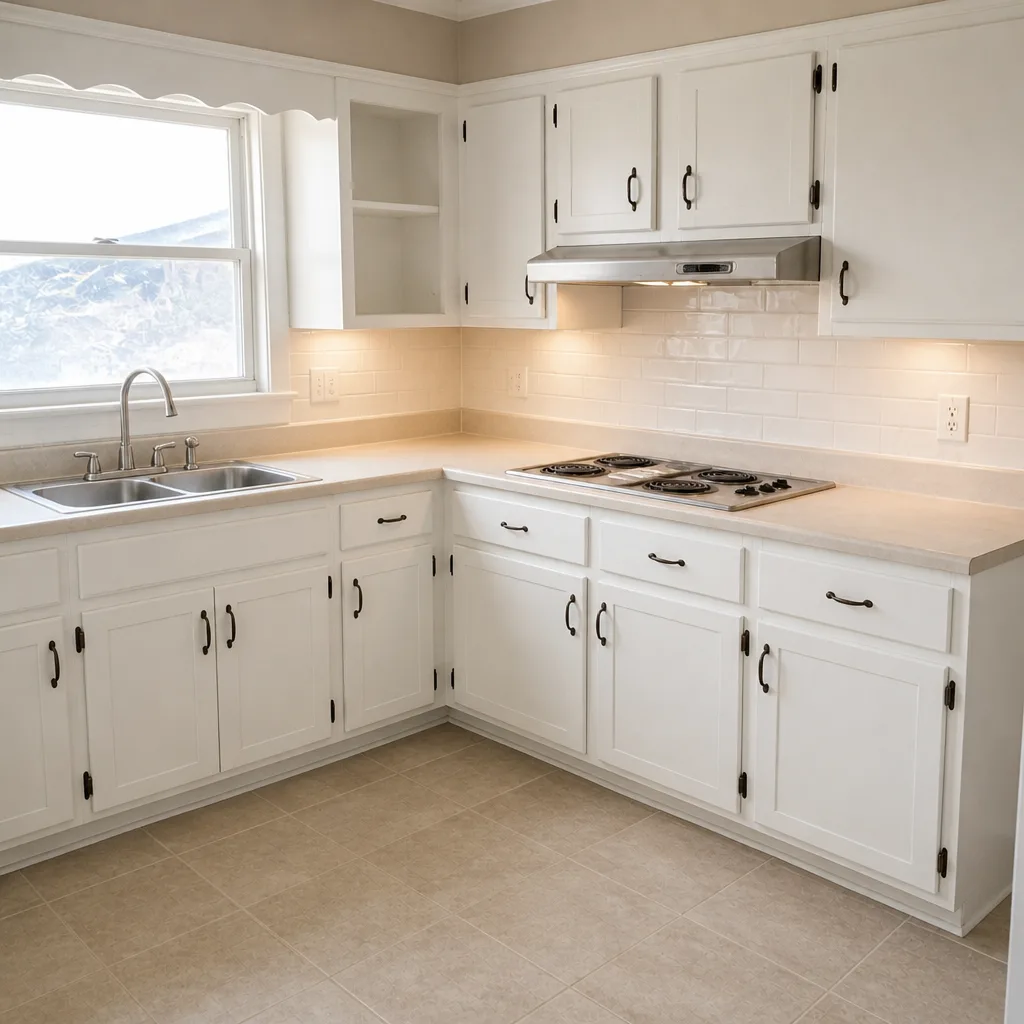
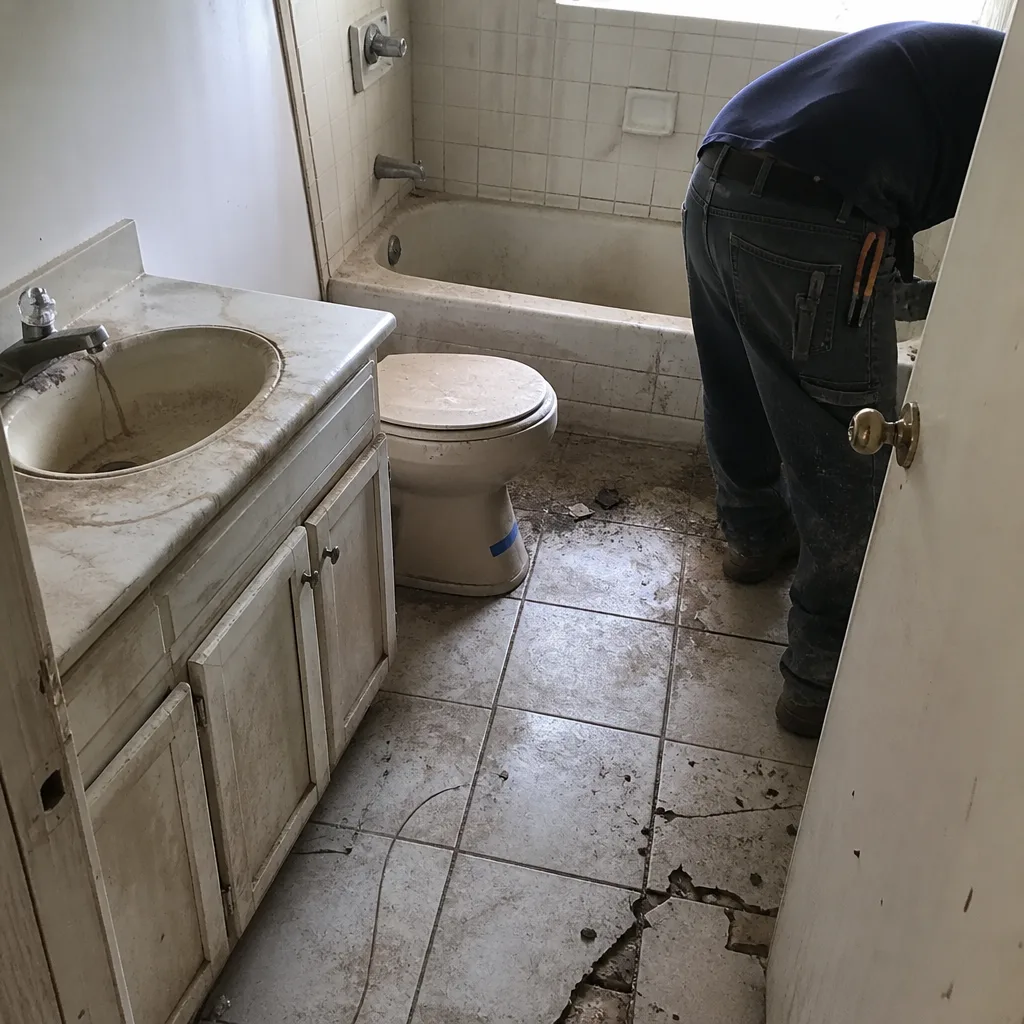
See the difference
 Before
 After
 Before
 After
 Before
 After
When to Call a Professional
Some work on your home is within reach of a confident homeowner. A lot of it isn’t. If your project involves structural changes, electrical work, gas lines, roofing, or anything that requires a permit, you want a licensed professional. That caution isn’t about capability; it’s about the consequences of getting it wrong. Roofing work at height, electrical panels, and gas connections are genuinely dangerous, and the cost of a mistake is far higher than the cost of hiring someone who does the work every day.
Here at Construction Denton, we connect homeowners with independent local professionals who perform the work across all seven trades, from driveways and pavers to home additions and ADUs. We offer free estimates in Denton. Call (855) 720-1779. We answer 24/7. Fast dispatch from 7am to 7pm, Sunday through Friday. Our technicians have up to 9 years of experience, and the local pro is licensed and insured as their state requires.
Frequently Asked Questions
There’s no single number, because cost depends entirely on scope, materials, and the condition of the existing structure. The reliable way to know what your project will cost is to get a written, line-item estimate based on a scope of work you’ve defined. The written estimate sets the final price. Call (855) 720-1779 for a free estimate.
A fair contract includes a milestone-based payment schedule, a written change order process, a clear scope of work, and conditional lien waiver language at each payment stage. It should also state start and completion dates and the workmanship warranty terms. If any of these elements are missing, ask for them in writing before you sign.
Ask for a certificate of insurance and call the insurer listed on it to confirm the policy is active and covers the type of work you’re hiring for. A certificate on file means nothing if the policy has lapsed. Ask for both general liability and workers’ compensation coverage if the contractor has employees.
Most construction projects that involve structural work, electrical, plumbing, or gas require a permit through the City of Denton’s Development Services department. Ask your contractor to confirm whether your specific project needs a permit and who will pull it. A contractor who has worked in Denton recently will know the current process.
A license confirms a contractor is legally allowed to work in Texas. It doesn’t confirm they know Denton’s permitting process, the local soil conditions, or the current lead times on the materials your project needs. Those things come from working in the area, and they’re what separates a smooth project from an expensive surprise.
Three bids is a reasonable number, but only if you’ve standardized the scope of work first. Three contractors bidding on a vague verbal description are not bidding on the same project. Write the scope, ask each contractor to price it, and compare line items and exclusions, not just totals. Call (855) 720-1779 for a free estimate – estimates are free.
The Bottom Line

Hiring a construction contractor in Denton comes down to verifying more than the license. Check the TDLR database, confirm insurance independently, and ask the five questions that reveal whether a contractor actually knows how the City of Denton’s Development Services department operates. Standardize your scope of work before you solicit bids, read the contract for payment schedule and lien waiver language, and verify material supplier relationships by asking specific questions about product lines and lead times. For full-scope residential work across seven trades, from driveways and pavers to home additions and ADUs, we connect homeowners with independent local professionals who perform the work. Call (855) 720-1779 for a free estimate.
Written by the team at Construction Denton.