Last updated November 18, 2026




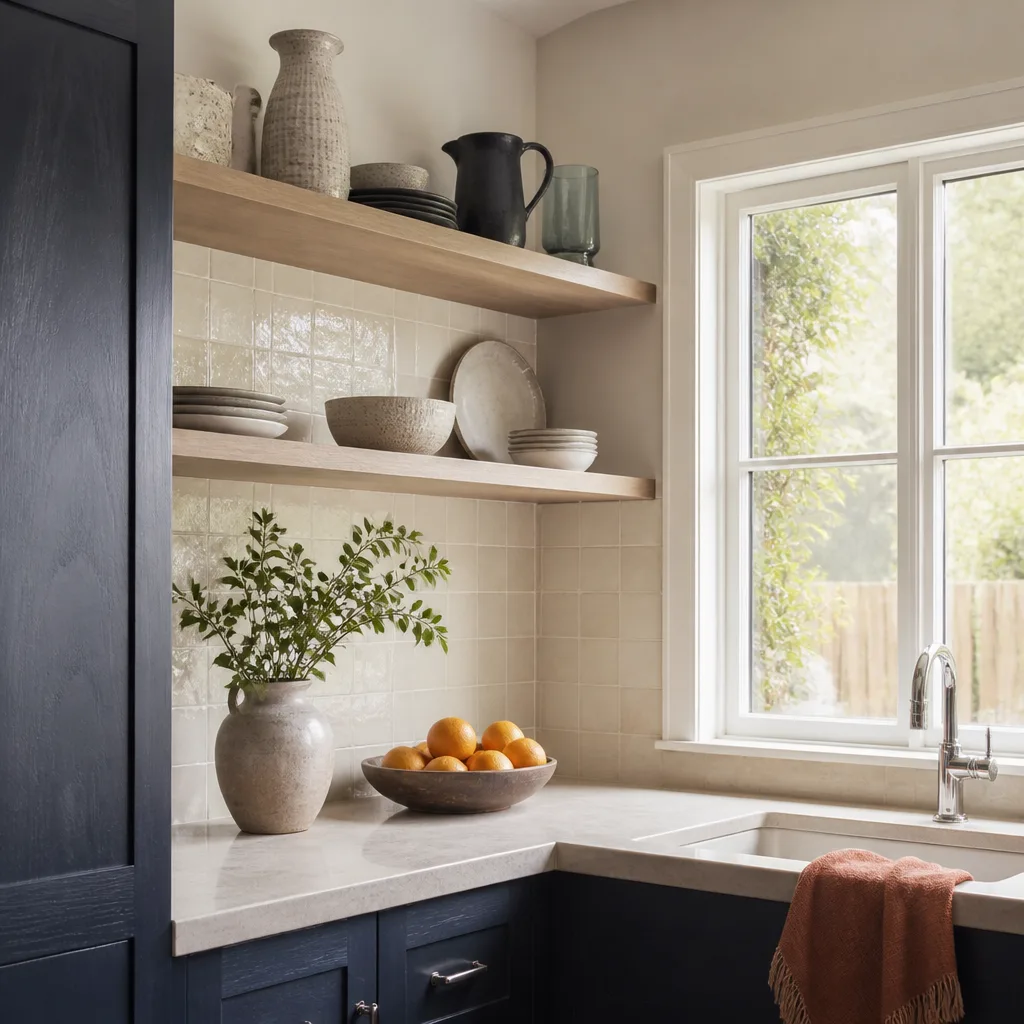
Free written scope consultation - allowances, timeline, and change-order rules on paper before a single trade is scheduled
DIY vs Professional Construction: The Denton Homeowner’s Decision Guide
The DIY versus professional question usually gets framed as a matter of guts and budget. Can you handle it, and can you afford not to? That framing is wrong. In Denton, the projects that actually punish a homeowner aren’t the ones that look hard on YouTube; they’re the ones that look easy and interact badly with North Texas heat, expansive clay soil, UV load, and a permit system that leaves a paper trail you’ll meet again at resale. This guide draws that line precisely, project by project, so you stop spending money in the wrong direction.
Styles & brands we work with
- Kitchen remodeling
- Bathroom remodeling
- Home additions & ADU
- Roofing
- Windows & doors
- Driveway & pavers
- Fence
Quick Answer
DIY makes sense in Denton for cosmetic, non-structural, permit-exempt work: interior painting, caulking and weatherstripping, swapping a faucet or light fixture, refacing cabinet doors, staining a fence that already sits on legal footings, and demo on a project a licensed pro will finish. Professional construction is the right call whenever the work touches structure, grading that moves water, the building envelope, electrical, gas, or plumbing rough-in, or anything the city of Denton requires a permit and inspection for. The dividing line isn’t skill. It’s liability, warranty, and what a future buyer’s inspector will find.
Table of Contents
- The One Rule That Settles Most DIY Decisions in Denton
- Where the Permit Requirement Alone Makes Professional Work Necessary
- The Trade Skills North Texas Weather Punishes Amateurs For
- Texas Homestead Law, Unpermitted Work, and What Shows Up at Sale
- How to Audit Your Own Skill Level Against a Specific Project
- Hybrid Projects: Doing Demolition and Finish Work Without Voiding Warranties
- What Professional Execution Actually Buys You in Denton
- Common Mistakes to Avoid
- When to Call a Professional
- Frequently Asked Questions
The One Rule That Settles Most DIY Decisions in Denton
If the work requires a permit, plan for a licensed professional. If it doesn’t require a permit, DIY is on the table, but only when the failure mode is cosmetic. That’s the whole rule, and it resolves most of the argument before it starts.
Here’s why the first half matters more than it sounds. A permit isn’t just a fee and a form. It’s a third-party inspection that puts a city record on the work. When you sell a home in Denton, that record matters. Flippers and buyers’ agents pull permit histories on almost every transaction now, and unpermitted structural, electrical, or plumbing work can stall a closing, force a retroactive permit at penalty rates, or require a buyer’s credit for remediation. The cost of doing it right is bounded before work begins. The cost of doing it wrong is open-ended and lands at the worst possible moment.
The second half of the rule is where homeowners actually gain money back. Cosmetic work has a small failure mode. If a coat of paint goes on badly, you sand and repaint. If a caulk line fails, you re-caulk. If a floating shelf sags, you re-anchor. No inspection, no disclosure, no structural implication.
What sits in the middle is where the money goes wrong: envelope work, drainage, anything that meets soil, anything that meets the sky. Those projects look approachable, cost real money in materials, and expose you to failures that develop over a full season before you can see them.
Our technicians have up to 9 years of experience across every one of the seven trades we cover, and most of the callbacks we see on homeowner-completed envelope and drainage work involve a failure that would have been spotted in the first twenty minutes of a professional assessment. That’s the specific waste we want this guide to eliminate.
Where the Permit Requirement Alone Makes Professional Work Necessary
Some projects in Denton are professional-only not because the labor is hard, but because the paperwork and inspection schedule make DIY a bad trade. Here’s the short list of project types where the permit path alone decides it:
- Any structural change: removing or modifying a load-bearing wall, moving a beam, changing a header, adding a window or door to an exterior wall, converting a garage to living space.
- Any new or replaced roof covering: reroofs in Denton are permitted work, and the inspection schedule requires the decking and underlayment stages to be verified before the final layer goes on. Doing the work yourself doesn’t lower the inspection burden, it just leaves you holding the callbacks.
- Any new driveway apron or work in the public right-of-way: the portion of a driveway that meets the street typically needs a right-of-way permit, and the finish tolerance is checked against the sidewalk and the utility cover heights.
- Any fence above the height threshold your city code sets: taller fences usually need a permit and often a survey showing the property line, which most homeowners don’t own personally.
- Any home addition or detached structure above the size threshold: an ADU, a garage conversion, an addition of any meaningful square footage.
- Any new or relocated electrical circuit, gas line, or plumbing rough-in: these are licensed-trade work by code in Texas for most applications, and the inspection schedule is built around that.
For each of these, doing the work yourself doesn’t reduce total cost. It moves the cost from a fixed professional quote into a variable risk pool of retroactive permits, failed inspections, and resale credits. That’s not savings. That’s deferred expense with interest.
Where the top of the envelope is concerned, roofer brand choice actually matters: GAF, CertainTeed, and Owens Corning each make durable shingle systems, but their warranty terms respond differently to installation that departs from the manufacturer’s spec. A homeowner-installed system frequently voids the manufacturer warranty on the product itself. When you work with a professional roofer on a Construction Denton project, the warranty chain stays intact because the installation method is documented. The same logic applies to the exterior envelope in general: professional installation protects the material warranty, DIY installation typically breaks it.
The Trade Skills North Texas Weather Punishes Amateurs For
Denton sits in a climate that quietly punishes three specific installation errors: overcompaction without movement allowance, insufficient UV tolerance in the material spec, and drainage slope that works on day one and fails on day 400. Each of these is a skill, not a secret, and each of them is exactly where the home-improvement video stops short.
Clay soil and movement. Denton’s soils are expansive, which is a technical way of saying they swell when wet and shrink when dry. Concrete flatwork, driveways, paver bases, fence posts, and foundation-adjacent grading all have to account for that movement. A do-it-yourself driveway pour with a 4-inch slab and no engineered base will look fine at month one and crack at month eighteen. A professional paver installation on a Belgard, Techo-Bloc, or Unilock system starts with a properly compacted, layered base that flexes with the soil instead of fighting it. That base is 60% of the cost and 100% of the durability.
UV exposure and material spec. North Texas gets serious sun hours. That’s not just hard on your air conditioner. It bakes vinyl, degrades unpainted exterior wood, chalks low-grade stains off fencing within a single season, and drives early failure in sealants that weren’t formulated for the exposure. This is why brand choice matters: a Master Halco or Ameristar steel fence system, or a Jerith aluminum ornamental line, handles the UV load differently from a builder-grade wood picket fence, and a Bufftech vinyl line is engineered for fade resistance where a cheaper vinyl panel will chalk and craze. If you’re installing it yourself, you can still buy a good product. But the material warranty on the good product typically requires installation to the manufacturer’s spec, which is the part most homeowners miss.
Drainage slope. Water management around a Denton home is a grading problem, and grading is where amateur work quietly costs the most. The visible work is a swale or a French drain. The invisible work is the calculation of how much water comes off the roof, where it goes, how quickly the clay takes it, and how to keep the flow from re-entering the slab on the downhill side. If you get the calculation right, the work is straightforward. If you get it wrong, you won’t know for one full wet season, and by then the interior damage is already happening. This is the single category where “I’ll try it myself” is most expensive.
Every one of these three failure modes has the same shape: the cost of the mistake shows up months later, when the material is already spent and the fix is full replacement. That’s the pattern this guide exists to flag.
Texas Homestead Law, Unpermitted Work, and What Shows Up at Sale
Texas homestead protections do real things for homeowners: they cap property tax increases, they guard against forced sale for most debts, and they simplify the legal status of the primary residence. What they don’t do is exempt you from the disclosure and permit rules at sale, and that’s the part most homeowners don’t know.
Here’s how unpermitted DIY work actually behaves during a sale in Denton:
- It enters the disclosure. The seller’s disclosure form asks about known defects and unpermitted work. Leaving it off isn’t a defense; it’s a potential misrepresentation claim if the buyer discovers it later.
- It slows the appraisal and inspection stage. A buyer’s inspector flags unpermitted structural, electrical, plumbing, or roof work almost every time. The buyer then asks for the permit to be retroactively pulled, or for a credit that reflects the risk of life-of-ownership.
- It gets priced into the offer. Buyers and their agents know what retroactive permits cost, and they price that into the number. The seller usually gets less than if the work had been permitted to begin with.
- It can kill the insurance claim later. If a fire or water loss traces back to unpermitted electrical or plumbing work, the insurer has a documented basis to deny the claim. That’s the case that ends the debate.
None of that is a scare tactic. It’s the ordinary path. Retroactive permits, disclosure corrections, and insurance disputes are paperwork-heavy, and each step costs both time and money.
The clean solution is to keep the paper trail intact: permits pulled, inspections passed, and inspection reports filed. That’s one of the reasons we handle permitting on every project that requires it. The cost of a permit is bounded; the cost of an unpermitted project at resale is not. If you’re considering a project on the scale of an addition or detached structure, our team covers the full permit path on home additions & ADU work so the inspection record follows the structure from the first pour to final.
How to Audit Your Own Skill Level Against a Specific Project
Forget gut feel. Use a short, blunt audit against the specific project in front of you. Answer honestly and you’ll usually get the professional/DYI line within a few minutes.
- Does this project fail quietly or loudly? A bad paint job looks bad immediately. A bad drainage slope looks fine for a year. If the failure mode is slow, treat that as a professional project unless you have direct experience with the specific failure.
- Does the material have a manufacturer warranty? Check the spec sheet before you buy. If the warranty says installation per manufacturer’s instructions and inspection at key stages, you already need the professional. GAF, CertainTeed, Owens Corning, KraftMaid, Wellborn, Cambria, and similar brands write warranty terms around installation method.
- Does the project require a permit in Denton? Check with the city before anything else. If the answer is yes, you’re already in professional territory unless you’re only doing the parts that don’t require a permit.
- Does the work touch the building envelope, structure, or a wet system? Roof, windows and doors that open through the envelope, exterior wall framing, plumbing rough-in, electrical circuits, gas. Each of these is professional-only in practical terms.
- Can you absorb the cost of a full redo? If the answer is no, the project isn’t a DIY project. It’s a professional project you’re considering doing yourself. The math only works when the failure cost is small.
- Does the project interact with something already in place? A new fence meeting an existing gate, a new driveway meeting an existing apron, a new window in a wall that has already been re-sided. Interface work is the professional’s entire skill set. Isolated work is where DIY actually performs.
Run the audit before you buy materials. It’s the cheapest five minutes of the project.
Hybrid Projects: Doing Demolition and Finish Work Without Voiding Warranties
You can genuinely reduce total project cost by doing the labor that doesn’t touch the licensed or warrantied scope. This is where homeowners get real savings without exposure, and it’s the pattern we recommend most often when someone asks whether they can work alongside the professional.
Where DIY labor reliably pays you back on a Denton project:
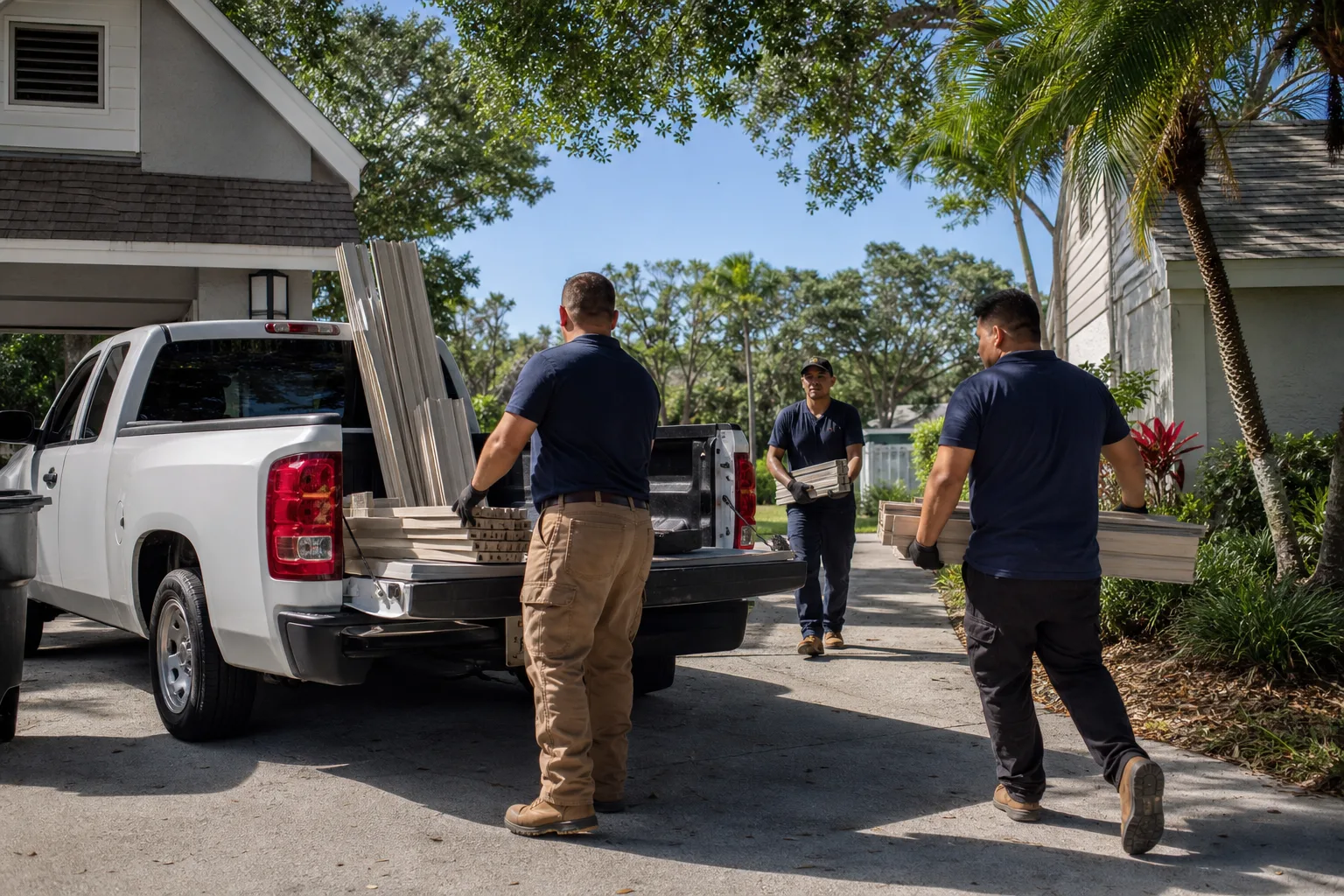
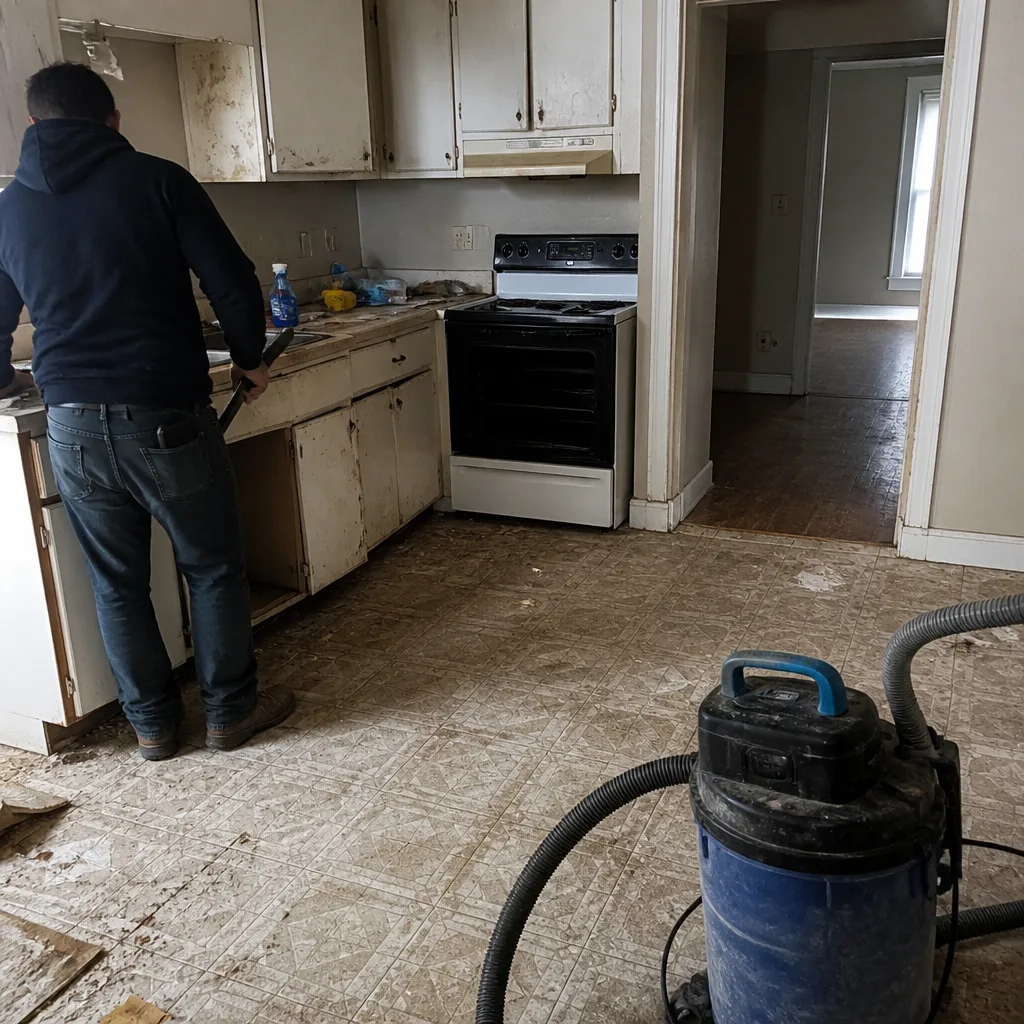
- Demolition. Tearing out old flooring, cabinetry, fencing panels, or driveway pavers before installation crews arrive is honest work with a low failure cost. A professional demolition scope is often a quarter of a project budget, and it’s work most motivated homeowners can do safely on their own timeline.
- Interior painting. Once the drywall is finished, sanded, and inspected, painting is safe to take on. It doesn’t touch a warranty, it doesn’t compromise a permit, and the only failure mode is visual.
- Landscaping around finished hardscape. Planting, sod, mulch, and softscape finishing sit outside the hardscape warranty and matter to the finished look without risking the structural work.
- Cabinet and fixture staging. Moving and staging materials for the install crew, running the appliance delivery and appliance hookup scheduling, and coordinating the paint and hardware finish after installation.
- Yard and site prep, within reason. Clearing the working area, protecting the driveway and existing landscaping, and staging materials before the install team arrives.
Where DIY labor reliably voids warranties, even if you’re capable:
- Any part of the installation sequence the manufacturer’s instructions call out at a specific stage (base compaction, underlayment, flashing, waterproofing membranes, sealing coats on hardscape). Once a homeowner has performed that step, the warranty terms no longer cover the finished system.
- Any wiring, gas, or plumbing connection. It’s licensed-trade work, and the manufacturer warranty on fixtures like Kohler, Moen, Grohe, Toto, and American Standard assumes licensed installation.
- Any window or door installation. PGT, CGI, Therma-Tru, and ECO Window Systems all write their install warranty around a professional who flashes and seals to spec. Window and door installation is envelope work, and envelope work is where leaks begin.
The hybrid model works best when it’s defined before any material is ordered. Draw a hard line between the phases the homeowner takes on and the phases the professional covers, and write it down. When our team scopes a hybrid project with a homeowner on a driveway & pavers job, the split is usually demo and site prep on the homeowner’s side and base, pavers, and edge restraint on ours. That protects both the finish and the warranty.
Same principle on fencing. If you’re tearing out an old fence line, cutting it up, and hauling it off, you’re saving real money on fence installation without touching the parts that need to be engineered: post embedment depth in expansive clay, gate post anchoring, and the finish height against your survey. Those last items are where the warranty and the property-line questions sit.
What Professional Execution Actually Buys You in Denton
A professional quote isn’t a labor markup on DIY materials. It’s the cost of warranty coverage, permit compliance, inspection documentation, and a bounded-failure project. Here’s what each of those is doing in practical terms:
- Manufacturer warranty chain: every brand on a professionally installed project keeps its warranty intact. That’s a real replacement value if a product fails within its coverage window.
- Permit and inspection: the city record of what was done, how it was inspected, and when. That record is a resale asset.
- Workmanship warranty: separate from the material warranty. The installation method itself is covered. If a base settles or a flashing fails, it’s not your problem.
- Bounded cost: a written line-item estimate sets the price before work begins. If the scope doesn’t change, the price doesn’t change.
- Multi-trade coordination: for a project that crosses trades (a bathroom that needs plumbing, electrical, tile, and cabinetry, or an ADU that needs framing, roofing, windows, hardscape, and fencing), one work plan and one point of contact beats three separate schedules every time.
The material breadth genuinely matters here. A Cambria quartz countertop and a Silestone quartz countertop have different fabrication tolerances. A KraftMaid cabinet line and a Wellborn cabinet line have different installation sequences. The professional’s value is knowing which material choice fits which project and which manufacturer’s warranty terms survive installation. That’s why we work across the tiers in each category rather than pushing one brand: selection should follow the project, not the other way around.
For an addition or ADU, the calculation changes again. Abodu, Dvele, Boxabl, and Plant Prefab come with their own structural engineering and manufacturer warranty programs; a stick-built addition comes with the professional’s warranty chain and full permit path. Either way, the DIY path closes on these projects because the permit requirement and the engineering documentation come from the manufacturer or the licensed professional, not the homeowner. That’s the honest version of the story: DIY has a ceiling on where it can play.
Common Mistakes to Avoid
- Buying materials before checking the permit path. Homeowners order pavers or a fence system and then discover the project needs a survey, a permit, and an HOA approval that forces different materials. Check first.
- Pouring a driveway slab without an engineered base. The expansions and contractions of Denton’s clay soil will open cracks within the first two years on a DIY pour. Paver systems engineered for movement last decades; thin concrete pours don’t.
- Installing a fence taller than the code allows without a survey. Even in a friendly neighborhood, a fence that meets an unverified lot line is a property dispute waiting to happen. Confirm the boundary and the height limit before you dig.
- Assuming manufacturer warranties on a self-install. GAF, CertainTeed, Owens Corning, PGT, CGI, Therma-Tru, and ECO Window Systems all write warranty terms around professional installation. Doing the install yourself typically voids the material warranty.
- Treating cosmetic work and envelope work the same way. Painting is DIY-reasonable. Flashing a window correctly, sealing a roof valley, or grading water away from a slab is not, even though they look approachable in a video.
- Leaving unpermitted work off the seller’s disclosure. That’s not a “no one will notice” issue. It’s a potential misrepresentation claim and, in the case of insurance, a claim denial.
- Assuming professional help means the whole project. The hybrid model (homeowner does demo, paint, and softscape; professional does structural, envelope, base, and permit work) is often the highest-value split, and it’s an option most homeowners never ask about.
When to Call a Professional
Call as soon as any of these are true: the project needs a permit, the work touches the building envelope, the work touches structure, water moves toward the home or away from it, the material has a manufacturer warranty, or you’re not certain of the answer to any of the above. That’s not a list of emergencies. It’s a list of projects where the cost of the mistake is unbounded and the cost of professional help is fixed before work begins.
The best time to call is before the first material is ordered. At that stage, we can help you decide what portion of the project is worth doing yourself, what portion needs a professional, and what a written line-item estimate looks like for the professional portion. Construction Denton offers free estimates in Denton on every one of the seven trades we cover, from the driveway to the roofline. Call (855) 720-1779 to schedule yours. We answer 24/7. Fast dispatch from 7am to 7pm, Sunday through Friday.
Frequently Asked Questions
Only for work the city classifies as cosmetic or non-structural. Painting, caulking, interior trim, and non-structural repairs generally don’t require permits. Anything structural, any roof replacement, any addition, any new electrical, gas, or plumbing connection, and any fence or driveway work above the city’s threshold does require a permit, and the permit path requires a licensed professional. Call (855) 720-1779 to schedule a free estimate and we’ll help you identify which side of the line your project sits on.
Read the warranty terms on the material spec sheet before you buy. If the terms say installation must follow the manufacturer’s instructions and may be inspected at key stages, a homeowner-installed project typically voids the warranty on the material itself. Roofing from GAF, CertainTeed, and Owens Corning, window systems from PGT, CGI, Therma-Tru, and ECO Window Systems, and hardscape from Belgard, Unilock, and Techo-Bloc all write warranties around professional installation. Call (855) 720-1779 for a free estimate that preserves the warranty.
On first cost, a thin concrete pour is typically less expensive than a Belgrad, Unilock, or Techo-Bloc paver system, but the first cost isn’t the relevant cost. On Denton’s expansive clay, a thin DIY pour typically develops visible cracking within the first two years, and a full replacement is more expensive than the paver system would have been to begin with. Engineered paver base systems are designed to move with the soil. Call (855) 720-1779 to get a free estimate on the paver system so you can compare the two numbers honestly.
Almost certainly. Buyers’ inspectors pull permit histories on structural, electrical, plumbing, and roof work, and the seller’s disclosure asks about unpermitted work. If a future insurance claim traces back to unpermitted electrical or plumbing work, the insurer has a documented basis to deny the claim. Getting the permit path right on the front end costs far less than the retroactive permit, disclosure correction, or insurance dispute that follows. Call (855) 720-1779 for a free estimate on the permitted portion of your project.
Demolition, interior painting after the drywall is finished and inspected, landscaping and softscape, and material staging are all safe for the homeowner to take on without voiding warranties or complicating inspections. Those are the phases that carry real labor cost and low failure cost. Base prep, envelope sealing, plumbing, electrical, and any part the manufacturer’s instructions call out at a specific stage should stay with the professional. Call (855) 720-1779 for a free estimate that defines the split up front.
We cover seven residential trades under one contractor relationship: driveway and paver installation, fence installation, home additions and ADUs, bathroom remodeling, windows and doors, roofing, and kitchen remodeling. That covers the vast majority of projects that would otherwise require three separate schedules and three separate warranty conversations. If your project crosses more than one trade, call (855) 720-1779 to schedule a free estimate. We answer 24/7. Fast dispatch from 7am to 7pm, Sunday through Friday.
The Bottom Line
DIY isn’t about ego, and professional construction isn’t about upselling. In Denton, the line is drawn by permits, warranty terms, and whether the failure mode is cosmetic or costly. Cosmetic work is safe to own. Envelope work, drainage and grading, structural changes, and any project the city permits are professional territory, and the cost comparison is only honest when you include the resale disclosure, the insurance implications, and the material warranty that only survives professional installation. The highest-value move on most projects is the hybrid one: you do the demolition, the paint, the staging, and the softscape; the professional handles the base, the envelope, the permit path, and the warranty. That’s the split that actually saves money. And it’s the split worth pricing before you order a single material.
Call (855) 720-1779 to schedule your free, no-pressure estimate on any of our seven trades. We answer 24/7. Fast dispatch from 7am to 7pm, Sunday through Friday. Estimates are free, quotes are written line-item, and the estimate sets the price.
Written by the team at Construction Denton.
See the difference
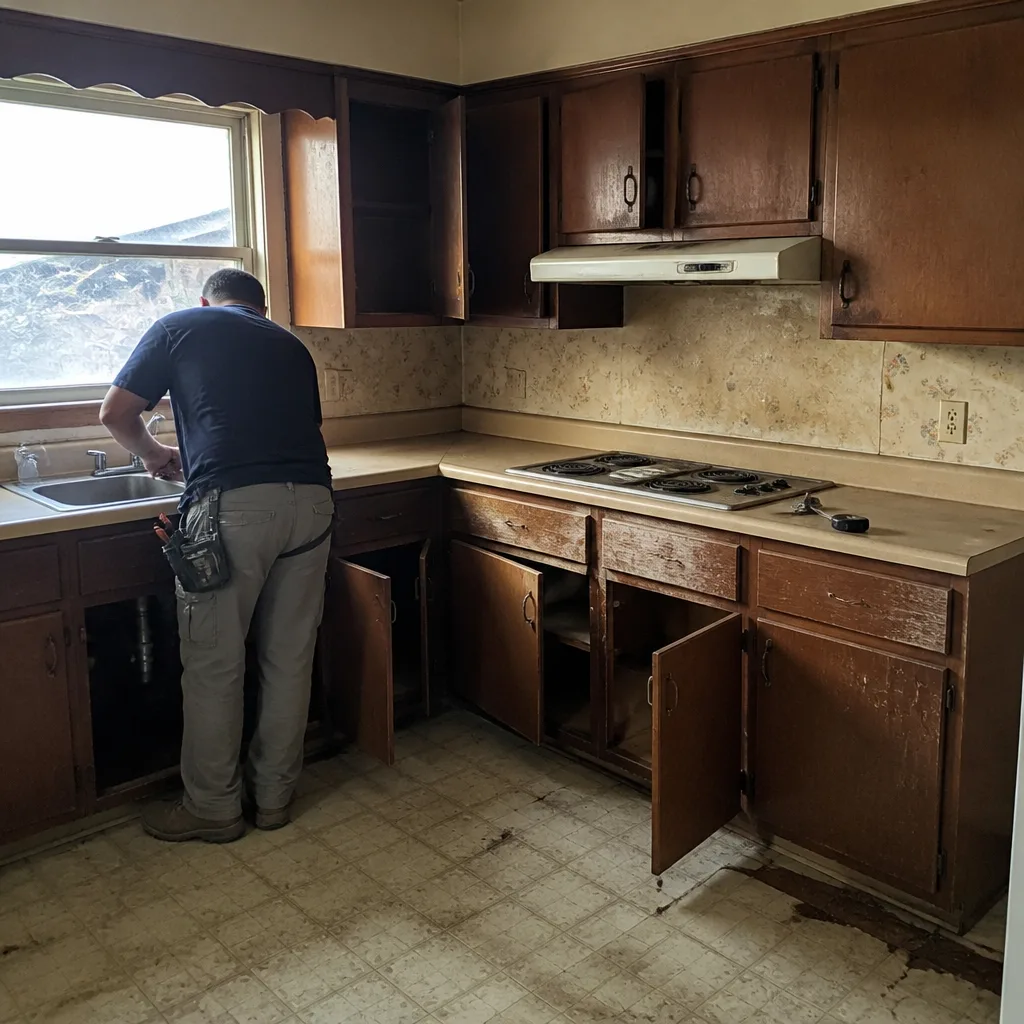 Before
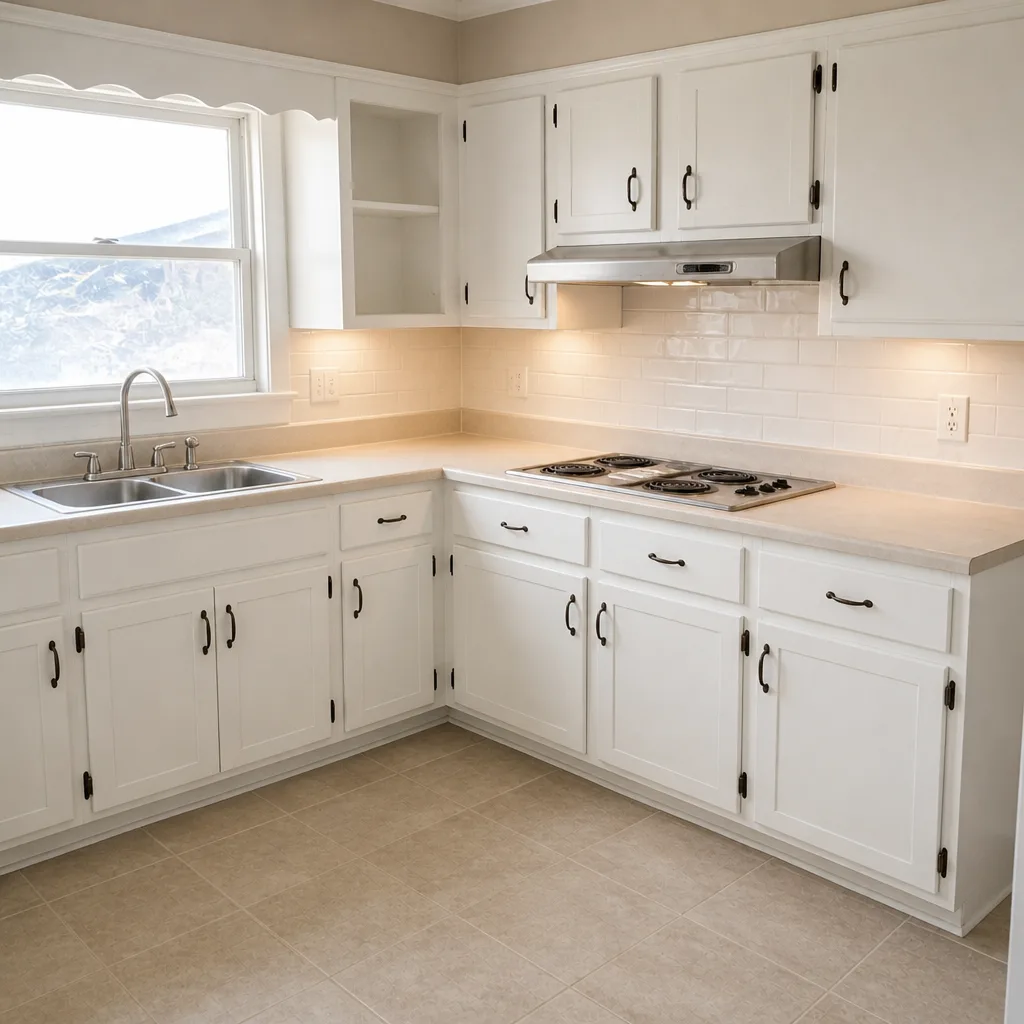 After
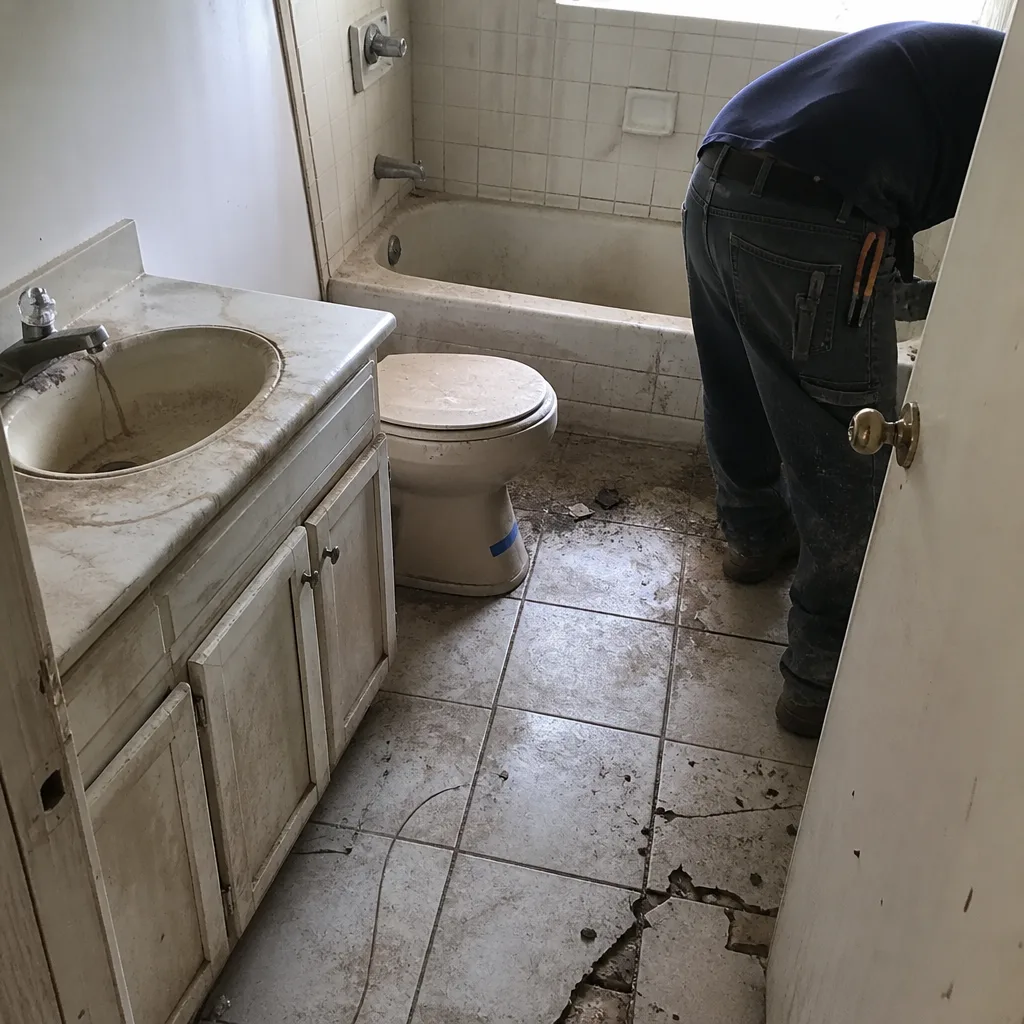 Before
 After
 Before
 After