
Last updated November 18, 2026






Free written scope consultation - allowances, timeline, and change-order rules on paper before a single trade is scheduled
Construction Permits, Codes & Inspections in Denton, TX: What You Need to Know
Most homeowners assume a permit is paperwork their contractor handles quietly in the background. In Denton, it’s the schedule. Denton adopted the 2021 International Building Code with its own local amendments, and the city’s Development Services department reviews a volume of residential submittals that has grown with the city itself. A packet submitted without complete documentation can sit for weeks before anyone tells you a sheet is missing, and by then your cabinet or paver lead times have already slipped. This guide explains which Denton projects need a permit, how the city’s amendments differ from neighboring cities, what the inspection sequence actually looks like, and how to track your own permit so you’re not waiting on a status update that never comes.
Quick Answer
In Denton, structural work, additions, ADUs, roofing re-decks, window and door replacements that change the opening, fence and driveway work above certain thresholds, and most interior remodels that touch plumbing, electrical or framing all require a permit from the City of Denton. The 2021 IBC applies with Denton’s local amendments, which differ from Frisco, Lewisville and Little Elm in ways that matter if your contractor works across the region. Cosmetic work like paint, flooring and like-for-like fixture swaps generally does not require a permit.
Styles & brands we work with
- Kitchen remodeling
- Bathroom remodeling
- Home additions & ADU
- Roofing
- Windows & doors
- Driveway & pavers
- Fence
Table of Contents
- Which Denton projects require a permit, and which don’t
- How Denton’s local IBC amendments differ from surrounding cities
- The inspection sequence for a full-scope residential project
- Which failed inspections generate the most expensive rework
- What “work without a permit” means when you sell
- How to track your permit through the City of Denton portal
- What to ask a contractor who works across Denton County
- Common mistakes to avoid
Which Denton projects require a permit, and which don’t
The honest answer is that Denton draws the line at structural and life-safety work, not at cosmetic scope. If your project moves a wall, changes a roof’s structure, adds conditioned square footage, changes a window or door opening, or runs new plumbing or electrical circuits, expect to pull a permit. If it changes a surface finish on the same substrate, it usually doesn’t.
Here’s how we break it down for homeowners planning a project in Denton:
- Permitted in nearly every case: home additions, accessory dwelling units (both stick-built and prefab/modular pathways), structural wall removals, new roof sheathing or full re-decks, window and door replacements where the rough opening changes size, bathroom remodels that relocate a drain or supply line, kitchen remodels that move a gas line or add a circuit, new fencing above the city’s height triggers, new driveways and expanded hardscape that changes drainage.
- Usually not permitted: interior paint, flooring over an existing substrate, cabinet refacing (not replacement), like-for-like fixture swaps that don’t move plumbing, landscaping that doesn’t change grade or drainage, and minor cosmetic repairs.
- Depends on scope and valuation: fence replacement of the same height and material in the same footprint, driveway resurfacing versus full replacement, and small decks. These are the calls worth a phone check with Development Services before you sign a contract, because the answer sometimes turns on the specific drawings and site conditions rather than the category.
Valuation matters too. The permit fee is tied to the declared project value, so under-declaring to save on fees is a bad trade: it’s one of the fastest ways to stall a review, and it creates a mismatch between your permit record and your home’s actual improvements. For hardscape like a new paver driveway built from Belgard, Techo-Bloc or Cambridge Pavers, the plan review often hinges on how the base and drainage are detailed, not on the surface material itself. Grading and drainage details are where most denton driveway submittals get bounced back.
How Denton’s local IBC amendments differ from surrounding cities
Denton is a 2021 IBC city with local amendments, and that combination is where regional contractors get into trouble. A crew that pulls permits every week in Frisco, Lewisville or Little Elm is working against a different set of local modifications, a different review timeline, and occasionally a different interpretation of the same code section. None of those cities permits are interchangeable.
What does this mean in practice?
- Your submittal packet has to be built for Denton. A plan set copied from a Frisco job and stamped for Denton will get flagged if it doesn’t address the city’s specific amendment language, particularly around structural detailing and site drainage.
- Review times vary by city. Denton’s Development Services department has absorbed a lot of volume as the city has grown, and that affects how long a residential review takes from submittal to approval. Contractors who only pull permits in Denton have a realistic sense of that timeline; contractors who mostly work elsewhere often don’t.
- Inspectors interpret amendments. The amendment language is written, but the way it gets applied in the field can vary in the details. A contractor who regularly works in Denton knows which inspection items tend to get flagged and preps for them; a regional contractor learns the hard way on his first failed rough-in.
- Neighboring city codes drift. Frisco, Lewisville and Little Elm each adopt new code cycles on their own schedule. If your contractor is submitting the same plan to all four cities, at least one of them is going to kick it back.
The practical takeaway: ask your contractor which city permits they pull most often, and whether they’ve worked with Denton’s amendments specifically. If the answer is vague, that’s your signal to slow down. A plan set built for a different city’s amendment set is the most common reason a Denton submittal gets returned without review.
If you’re coordinating a full-scope project across multiple trades, working through a single partner who handles Construction Denton from one set of plans eliminates the “who’s pulling the permit for this phase” problem entirely. One contractor, every phase.
The inspection sequence for a full-scope residential project
Inspections happen in a fixed order, and each one closes the door on the previous stage. That order is what keeps a project from discovering a framing error after the drywall is already hung. Here’s the typical sequence for a full-scope residential project in Denton, from foundation to final:
- Pre-construction / site inspection – confirms layout, setbacks and site conditions before any work begins.
- Foundation – rebar, formwork and slab prep checked before concrete is poured. Once the pour is done, there is no rework that doesn’t involve breaking concrete.
- Under-slab plumbing and electrical – rough-in checked before the slab goes down. This one is expensive to miss.
- Framing – the structural skeleton, including wall bracing and sheathing, checked before insulation. Anything flagged here is fixable, but only if caught before drywall.
- Rough-in plumbing, electrical and mechanical – the systems behind the walls. This is the inspection that most often catches a contractor working off stale plans.
- Insulation and energy – checked before drywall, and increasingly detailed given how much attention energy performance gets on newer construction.
- Drywall and finish – after the walls go up, inspectors check the finishes and hardware installs that aren’t covered in earlier phases.
- Final inspection – everything gets a once-over. The permit is closed here, and the certificate of occupancy issues for new square footage.
For a project like a home additions & ADU, the sequence above gets compressed or combined depending on whether the ADU is stick-built on-site or a prefab/modular unit from a manufacturer like Abodu, Dvele or Plant Prefab. Prefab units have their own approval pathway that runs on the manufacturer’s engineering and a shorter on-site inspection list, which is one reason some homeowners choose that route. Stick-built additions run the full sequence above and take longer, but they can be designed to match the existing house in ways prefab can’t.
Roofing projects run a shorter list: a permit submittal with the scope and material spec, one or two inspections during the tear-off and re-deck, and a final. If you’re using a branded roofing system like GAF, CertainTeed or Owens Corning, make sure the permit lists the specific product line, because some warranties tie back to documented installation.
Which failed inspections generate the most expensive rework
Not all inspection failures cost the same. Some are an afternoon’s fix. Others mean a demo crew. In our experience across Denton County, the failures that hurt most cluster around three items:
- Under-slab plumbing and electrical. If the rough-in isn’t right before the pour, the correction involves breaking concrete, redoing the run and repouring. On a slab-on-grade home, that’s the single most expensive rework category on the list.
- Framing before drywall. A framing failure caught before drywall is a correction; caught after, it’s a demolition. The window between the framing inspection and the insulation install is the narrowest and most consequential stretch of the whole schedule.
- Final inspection of finish trades. A final failure after cabinets, countertops and fixtures are set can mean pulling finished product out to access something underneath. On a kitchen or bath remodel, that can mean removing a Cambria or Silestone countertop to reach a rough-in – an expensive reminder that the earlier inspections need to be clean.
The pattern is obvious in hindsight: every major rework happens because an inspection got skipped, shortcut or scheduled too late. Inspectors in Denton are looking for the same code items as every other city under 2021 IBC, but the cost of missing them depends entirely on how far the project has moved down the schedule.
Two things push that risk down sharply. First, submitting a complete packet up front so the plan review doesn’t get bounced. Second, sequencing inspections so no stage starts before the previous one passes. That second discipline is easier to hold when one contractor is running every trade, because there’s nobody waiting on someone else’s inspection to start their phase.
What “work without a permit” means when you sell
Work done without a required permit is not just a code violation; it becomes a disclosure item that follows your property through every future sale in Denton County. When you list, your Texas seller’s disclosure asks whether you’re aware of any unpermitted work on the property. That single question is where most of the real pain starts.
Here’s how it usually plays out:
- During the buyer’s due diligence, the buyer’s agent pulls the city’s permit history. If your addition, kitchen remodel or ADU has no permit record, that shows up. In a competitive market it’s a negotiating chip; in a slower market it can kill the deal outright.
- During the appraisal, the appraiser may not be able to count unpermitted square footage toward the home’s value, which affects your loan-to-value and your buyer’s financing.
- During the title and lender review, unpermitted structural work can trigger a repair requirement or a lender hold before closing. That’s a timeline issue and a negotiation issue simultaneously.
- After closing, the buyer carries the risk. If a future inspector, insurer or city code officer flags the work, the correction is on whoever owns the property at that point. In Texas, the seller’s disclosure protection does not shield a buyer from a city enforcement action on unpermitted work.
There’s also a practical angle that homeowners don’t always consider: unpermitted work forces the eventual buyer to accept a home they can’t fully finance through a conventional lender without resolving the issue first. That translates to a lower offer or a repair negotiation, and either way, the number at closing is smaller.
The fix isn’t exotic. If work was done without a permit and it required one, the city will need a permit pulled and the work inspected – sometimes with selective demolition to expose what’s hidden. If you’re buying a Denton home and the permit history is fuzzy, have the seller’s contractor confirm the scope and get a written record.
How to track your permit through the City of Denton portal
Denton’s online permit portal is where you check the status of your submittal, see which review cycle you’re in, and find out exactly what a plan reviewer flagged. We recommend setting up access to it before your contractor submits, so you’re not relying on secondhand updates.
Here’s the process:
- Get the permit number and your portal login. The city’s Development Services portal uses an account tied to the property and the applicant. Ask your contractor to share the permit number and add you as an authorized viewer.
- Log in and check the permit status page. It will show the current review stage and any open items. If it says “resubmittal required,” there are comments from the reviewer to read.
- Read the review comments directly. The portal flags the specific sheet or scope item that got rejected. That’s your answer for what needs to change before resubmission.
- Track the inspection log. Once the permit is issued, the portal shows the scheduled inspections and pass/fail status for each one. Check it after every milestone, not just at the end.
- If a review stalls with no action and no comments, call Development Services directly. The portal will show a status, but it won’t tell you why a review hasn’t started; a phone call gets that answer faster.
Most stalled reviews we see trace back to a specific comment that wasn’t addressed, not to the city sitting on the file. The permit portal shows the comment; the contractor’s job is to respond with a corrected sheet. That’s another reason to keep the permit record visible to the homeowner throughout the project rather than passing it off entirely.
What to ask a contractor who works across Denton County
Denton’s code is not identical to Frisco’s, Lewisville’s or Little Elm’s, and a contractor who works across the region needs to prove they understand the difference. Before you sign, ask these questions:
- “Which of these four cities do you pull permits in most often?” A contractor who only pulls in Denton and has a working relationship with Development Services is generally a safer bet than a generalist who submits to all four.
- “Have you pulled a permit for a project like mine in Denton specifically?” Not “in DFW,” not “in the area.” Denton specifically.
- “Who’s on the plan set, and who’s on the permit?” Some contractors use an outside design firm and a separate permit expediter. That’s fine, but you should know who’s accountable for the submittal.
- “What’s your realistic timeline from submittal to permit issuance?” Not an optimistic number. The honest answer accounts for one resubmittal cycle, because most projects hit one.
- “Have you ever had a permit fail an inspection?” Any contractor who says never is probably leaving something out. The useful question is what they did to fix it and how fast the correction happened.
That last point matters because Denton inspectors work the same code items as their peers, and the failures that hurt are the ones caught late in the schedule. A contractor who’s been through a corrective cycle in Denton and can describe what they changed is showing you a useful kind of experience. Our technicians have up to 9 years of experience, and several have spent most of it working inside Denton’s specific amendment set – that’s where the useful pattern recognition lives.
Common Mistakes to Avoid
- Submitting a plan set built for a neighboring city. A packet stamped for Frisco or Lewisville but submitted in Denton will get kicked back on the amendment language. Build the set for Denton from the first draft.
- Under-declaring project valuation to save on fees. It creates a mismatch between your permit record and your actual improvements, which surfaces during a future sale. Pay the correct fee.
- Skipping the under-slab inspection during a remodel. The most expensive correction in residential construction is one you discover after concrete is poured. Never let a stage be signed off by the crew that did the work.
- Starting finish work before the framing inspection passes. Any change to the framing after drywall means demo. If you’re on a tight timeline, don’t schedule the drywall crew until the framing inspection clears.
- Treating the permit portal as the contractor’s problem. The homeowner who logs in once a week catches a stalled review long before the contractor’s next status update. Ask for viewer access.
- Assuming a fence or driveway sized “the same as before” doesn’t need a permit. Footprint, height and drainage determine whether a permit is required, not the material swap. A paver driveway using Techo-Bloc or Cambridge Pavers can trigger drainage review even when the old surface was also pavers.
- Waiting until the final inspection to read the review comments. Portal comments tell you exactly what failed and where. Read them at every stage, not at the end.
See the difference
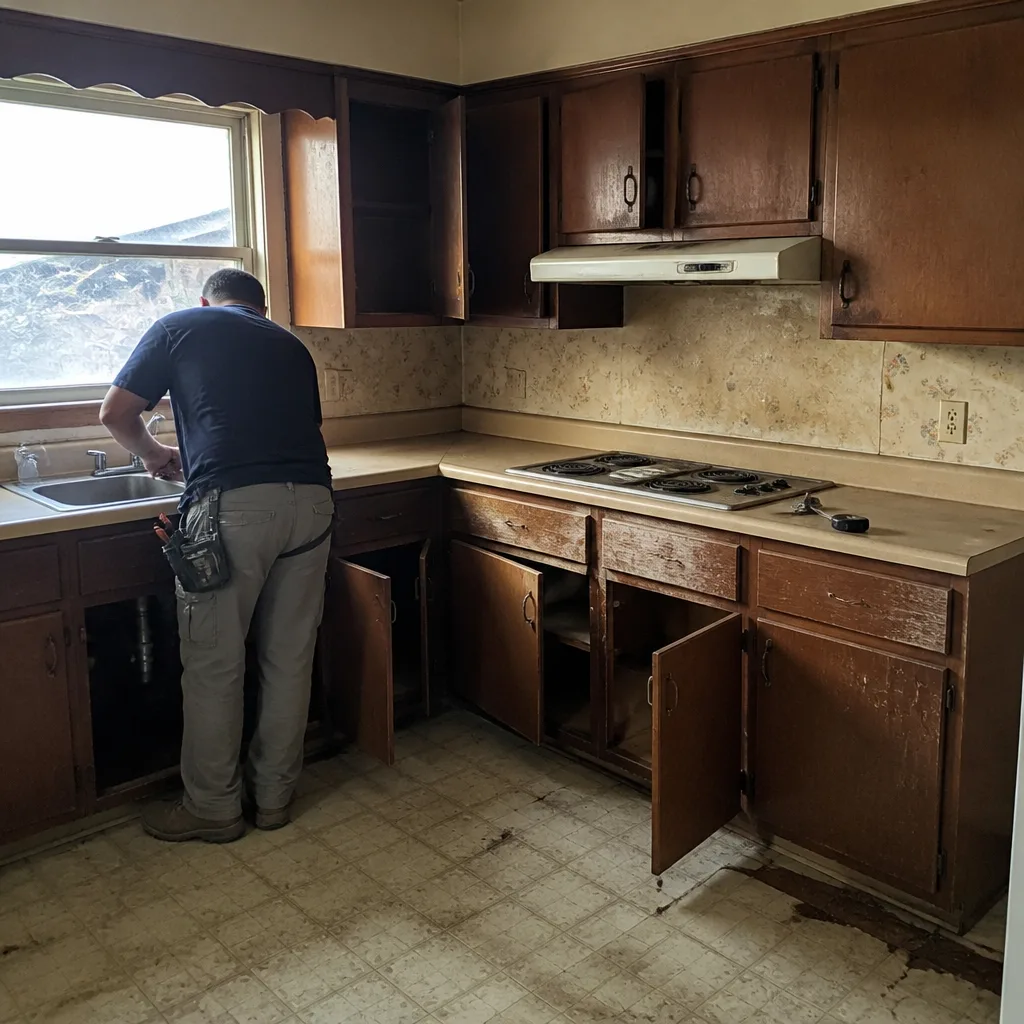 Before
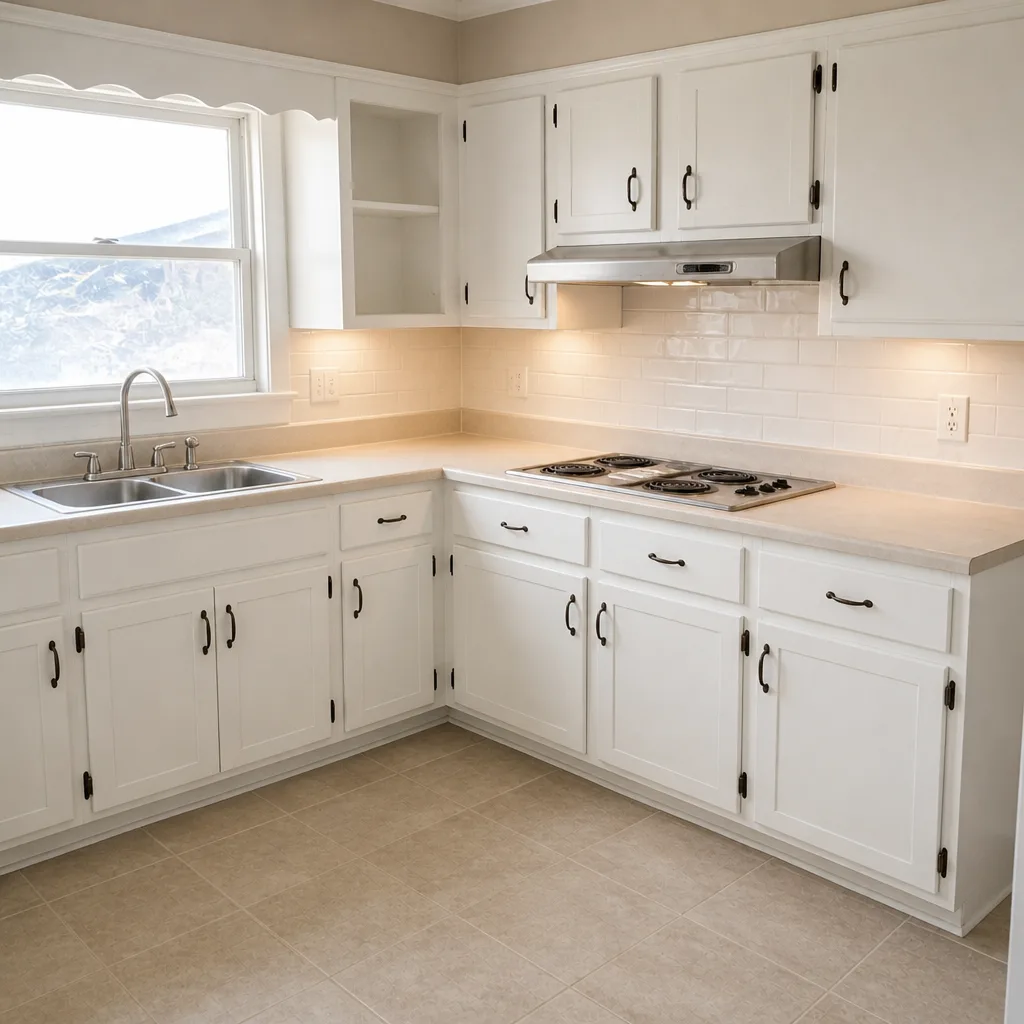 After
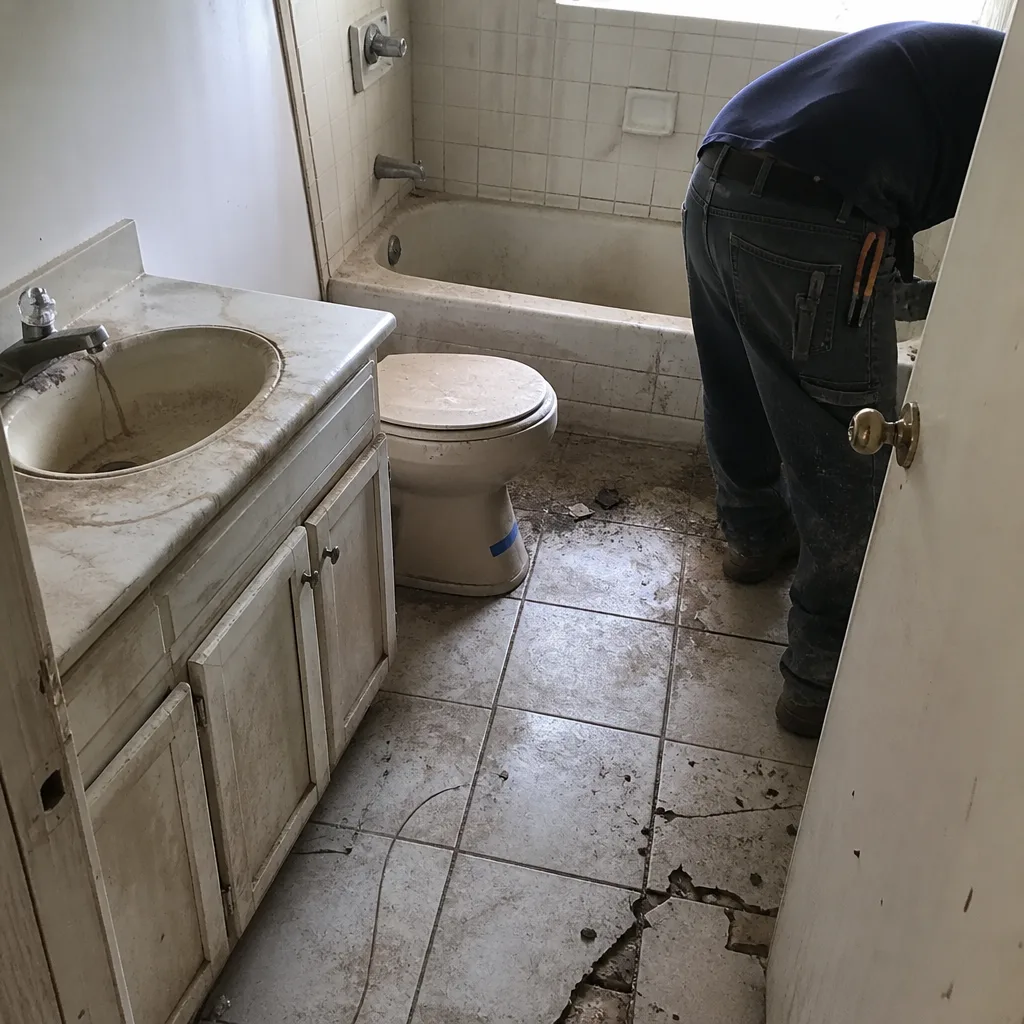 Before
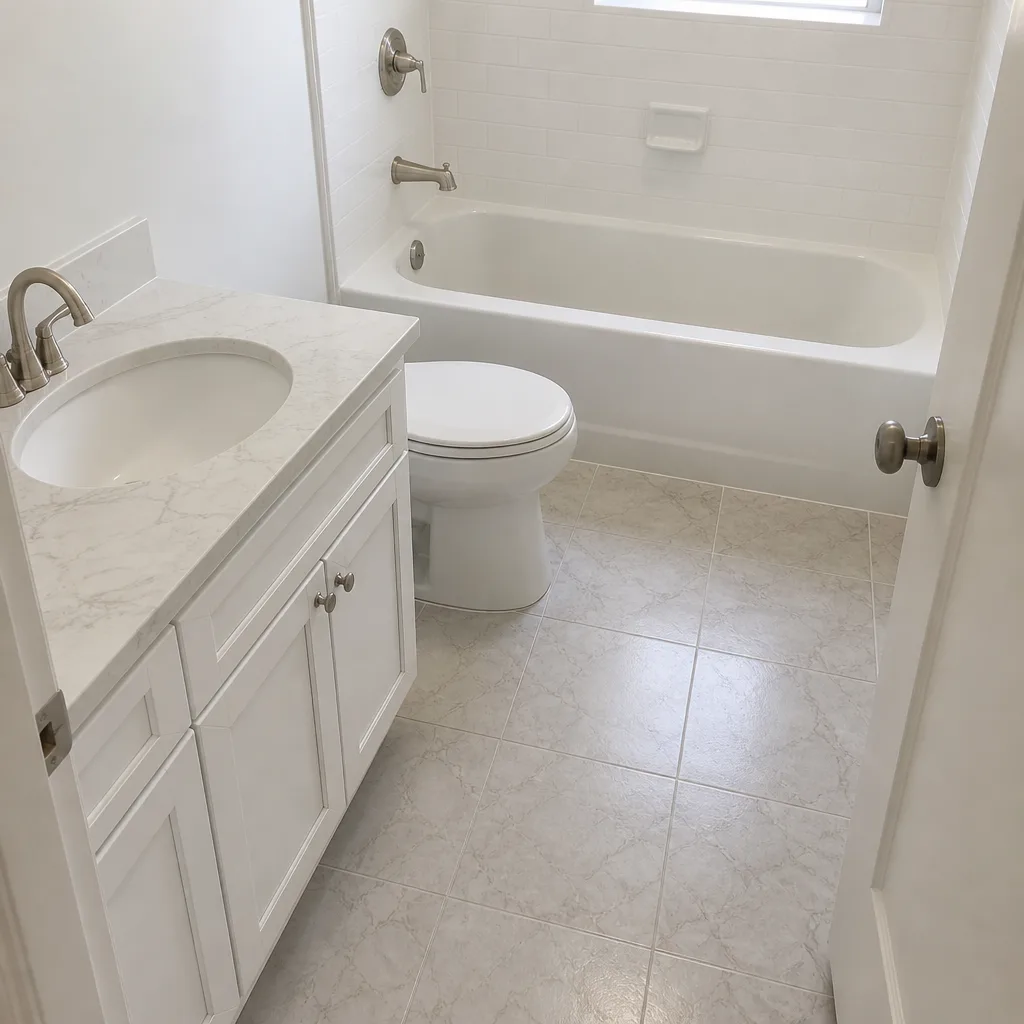 After
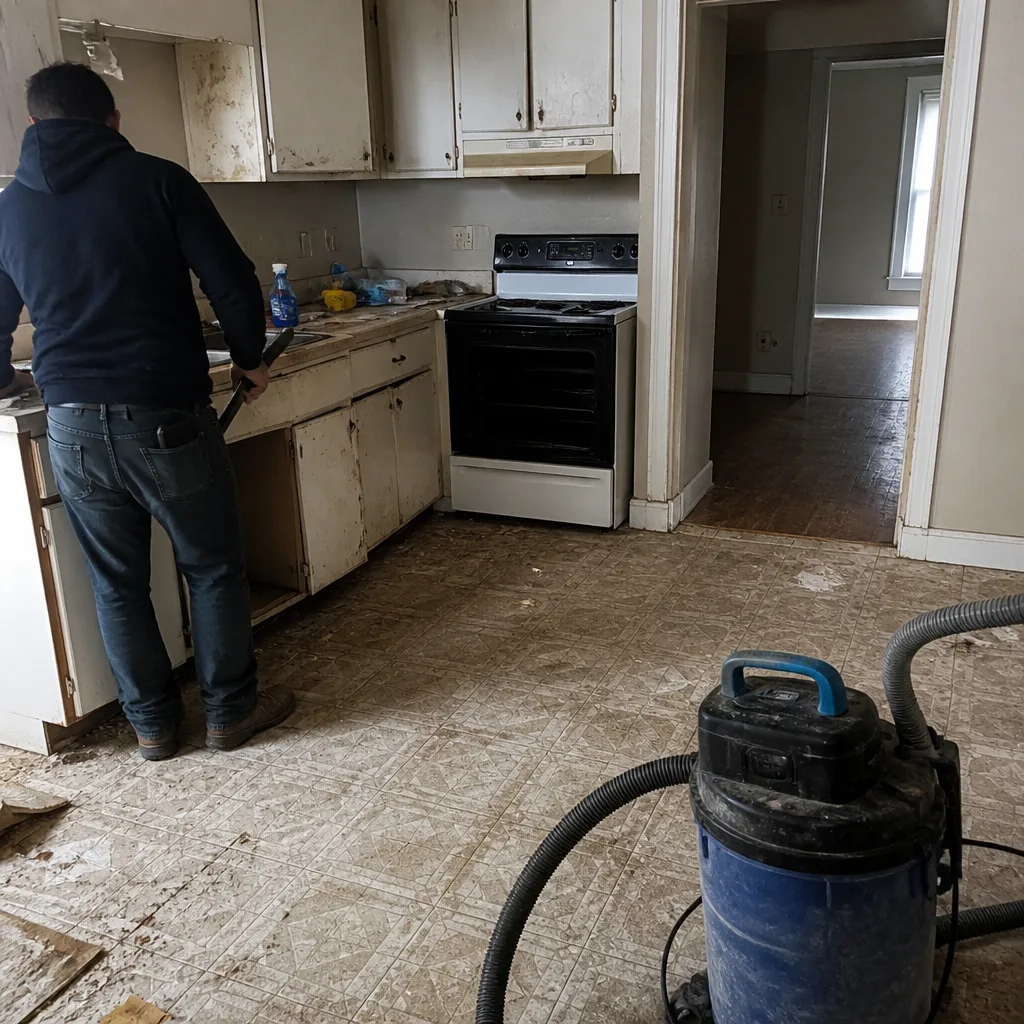 Before
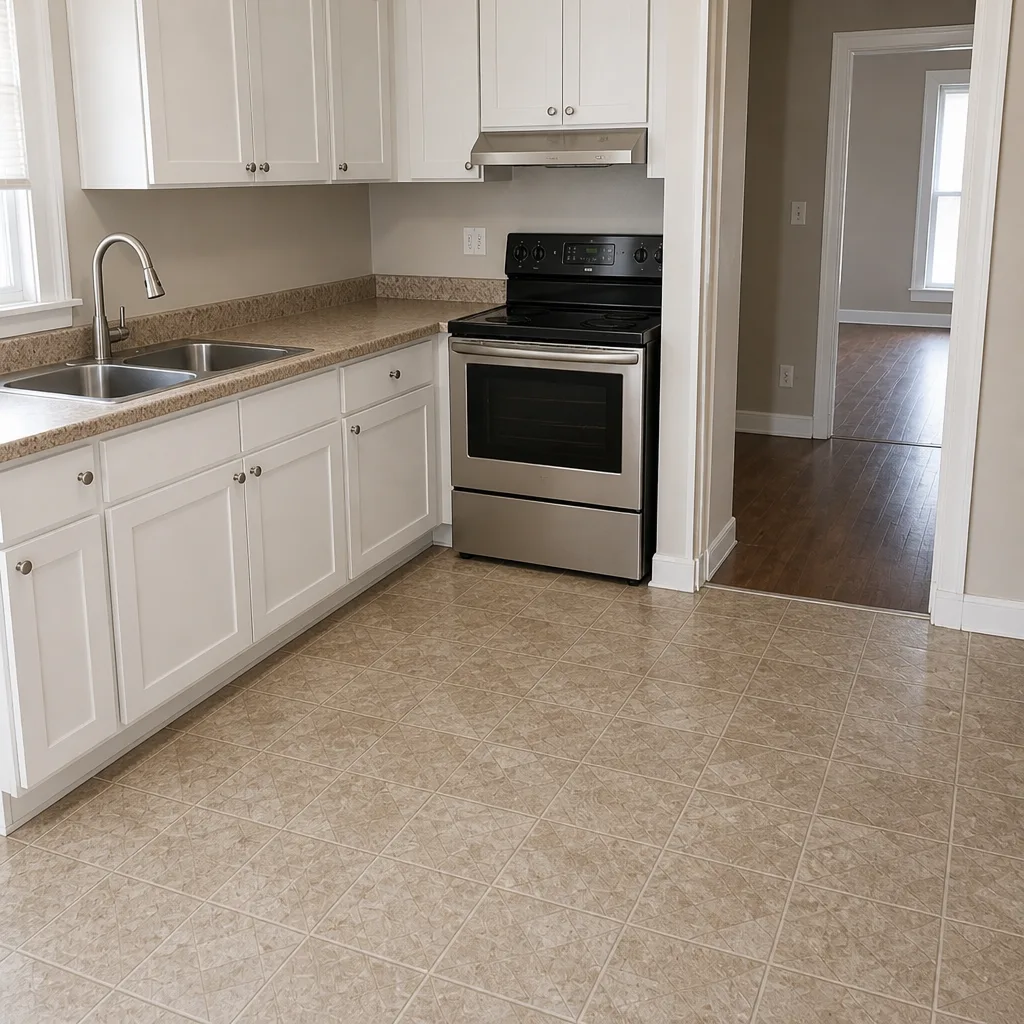 After
When to Call a Professional
Some permit questions are worth a phone call to Development Services. Others are worth a phone call to a contractor who lives in Denton’s code every day. The line between those two is worth getting right. For anything structural, anything that touches plumbing, electrical or gas, anything that adds square footage, and anything that changes a window or door opening, the professional call is the safer one. The same goes for a driveway, fence or patio project where drainage could affect your neighbor’s lot or the city’s stormwater system. If your project sits near the edge cases, that’s the moment to get an experienced eye on it before you sign anything. Construction Denton offers free estimates in Denton; call (855) 720-1779, and we’ll walk through the permit scope for your project before you commit. We answer 24/7, with fast dispatch from 7am to 7pm, Sunday through Friday.
Frequently Asked Questions
Yes, in most cases: if the remodel moves plumbing, adds electrical circuits, relocates a gas line or changes the structural layout, a permit is required. Cosmetic-only work like paint, cabinet refacing, or like-for-like fixture swaps on the same substrate usually does not. Call (855) 720-1779 for a free estimate, and we’ll tell you exactly which portions of your project need permitting.
It depends on size, height and drainage rather than material. Fences above the city’s height trigger, driveway replacements that change the footprint or drainage, and any hardscape that alters how water moves across your lot typically require a permit. Because the answer turns on your specific site conditions, the responsible step is to check with Denton’s Development Services department or have a contractor who works with them regularly confirm scope before you order material.
Review timelines shift with city volume, and Denton’s Development Services department has absorbed a lot of growth, so residential reviews take time. The biggest variable is whether your first submittal is complete; a packet that goes in clean avoids the resubmittal cycle that adds several weeks. Neighboring cities review on their own schedules and their amendment sets differ, so a timeline from Frisco or Lewisville isn’t a reliable guide. Call (855) 720-1779 for a free estimate and a realistic timeline by project type.
Expect it to surface as a disclosure item, a lender hold or a repair negotiation before closing. Unpermitted structural, plumbing or electrical work may not be counted in the appraisal, and a conventional lender can require resolution before funding. The fix is to pull the permit retroactively and have the work inspected, sometimes with targeted demolition to expose what’s hidden. Get a written scope from a contractor before you agree to a price adjustment.
Not when the estimate is written properly. A line-item written estimate that accounts for the permit and inspection sequence, with material selections pinned down before submittal, is what keeps the final invoice from drifting. Fixed pricing with no change orders is the standard we work to. Call (855) 720-1779 for a free estimate; the written estimate sets the final price.
Yes. On projects that require a permit, the crew pulling the work pulls the permit and carries it through submittal, review cycles and inspections. We work with the local professional licensed and insured as Texas requires, and we hand you portal access so you can see the status yourself. Call (855) 720-1779 for a free estimate, and we’ll walk through the permit scope for your Denton project.
Under-slab plumbing and electrical failures cost the most, because the fix involves breaking concrete. Framing failures caught after drywall are second, and finish-stage failures come third because they can require pulling finished product to reach something underneath. The pattern is always the same: the later the failure is caught, the larger the rework bill.
Yes. The City of Denton’s online portal lets you see the permit’s current review stage, read the reviewer’s comments and check the pass/fail status of each scheduled inspection. Ask your contractor for viewer access to the permit, and log in once per week to check for stalls. If a review has no movement and no comments for a while, call Development Services directly.
The Bottom Line
A Denton permit is not a formality, and it’s not a black box. The 2021 IBC applies with the city’s own local amendments, which differ from Frisco, Lewisville and Little Elm in ways that matter to a regional contractor. The inspection sequence is fixed, and the most expensive rework always happens when a stage gets skipped or caught late. Unpermitted work becomes a title, disclosure and appraisal complication at the next sale. The permit portal gives you the real status if you know where to look. And the single discipline that ties all of it together is a complete submittal built for Denton from the first draft. If you want a contractor who treats the permit as part of the schedule rather than an afterthought, call (855) 720-1779 for a free estimate. The written estimate sets the final price, and we can walk you through the permit scope, the inspection sequence and the material plan in one conversation.
Written by the team at Construction Denton.