Last updated November 18, 2026



Free written scope consultation - allowances, timeline, and change-order rules on paper before a single trade is scheduled
Construction Emergency Preparedness Guide for Denton Homes
Most homeowners treat construction emergencies as bad luck. In Denton, they’re closer to a scheduling problem. The storms come, the hail lands, and the question isn’t whether your roof, windows, fence, or drainage will get tested – it’s how well they were set up before the test arrived. The homes that come through a rough season with one clean insurance claim are rarely the lucky ones. They’re the ones whose roofing system carried a Class 4 impact rating, whose gutters and grading moved water away from the slab, and whose documentation was organized before anyone climbed a ladder. This guide walks through how to prepare a Denton home across every trade that takes storm damage, and how to recover correctly when something fails. You’ll get the pre-season checklist, the claim documentation order, and the vetting steps that separate a local construction partner from a storm-chaser with a clipboard.
Quick Answer
Construction emergency preparedness in Denton means hardening the parts of your home that fail first in severe weather – roofing, windows and doors, fencing, drainage, and electrical backup – before storm season, and having a documentation and contractor-vetting plan ready for after. The single highest-leverage step is a roofing system with a Class 4 impact resistance rating, which both resists hail damage and can qualify for a homeowner’s insurance premium discount in Texas. Pair that with clear drainage paths and a pre-storm photo record of your exterior, and you’ve removed most of the financial risk from the next hail or flash flood event.
Styles & brands we work with
- Kitchen remodeling
- Bathroom remodeling
- Home additions & ADU
- Roofing
- Windows & doors
- Driveway & pavers
- Fence
Table of Contents
- Why Denton Homes Face Real Construction Emergencies
- Class 4 Impact Roofing: What It Is and How It Affects Your Insurance
- Storm Damage Documentation: What to Photograph and In What Order
- The First 72 Hours of Foundation and Drainage Response
- How to Tell an Emergency-Qualified Contractor from a Storm-Chaser
- Pre-Event Preparation by Trade
- The Correct Recovery Sequence After a Storm
- When to Call a Professional
Why Denton Homes Face Real Construction Emergencies
Denton sits in a part of North Texas where severe weather isn’t an occasional visitor. Hail that produces stones large enough to damage roofing shows up repeatedly through spring and early summer. Tornado tracks have crossed the region, and the Trinity River watershed sends flash flood water through low-lying areas after heavy rain bands stall over the county. That combination – wind-driven hail from above, fast water from below – hits a home from two directions at once, and the failures compound. A compromised roof deck lets water into the attic while a backed-up drainage path pushes water against the foundation.
What makes Denton specifically vulnerable is the housing mix. Neighborhoods around Southridge, the older streets near the downtown square, and the newer developments out toward Rayzor Ranch were built across very different decades and to very different standards. A mid-century home near the square may have original drainage that was never designed for the runoff a modern subdivision generates uphill. A newer build out west may have excellent roof geometry but thin grading that channels water straight to the slab.
We’ve walked enough Denton properties after storm events to see the pattern clearly: the homes that sustain minor damage tend to be the ones where somebody thought about the exterior as a system. Roof, gutters, grading, fence, and windows all work together or all fail together. Preparing one in isolation leaves the others exposed.
One more local factor matters: the severe weather season overlaps with the busiest remodeling season. When hailstorms hit in April and May, roofing crews across Denton County fill up fast, and homeowners who haven’t lined up a vetted contractor end up choosing from whoever knocks on the door first. Preparation is partly about having a relationship in place before you need one urgently.
Class 4 Impact Roofing: What It Is and How It Affects Your Insurance
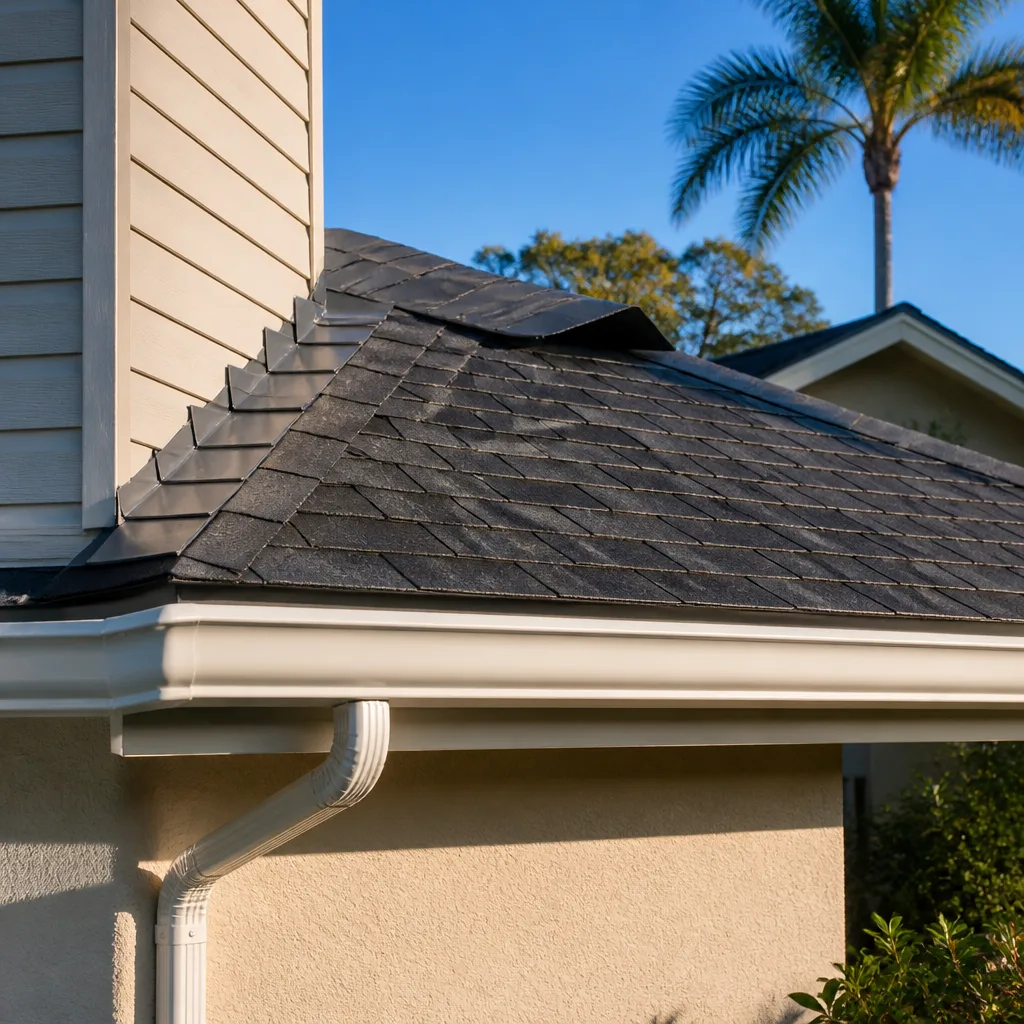
Class 4 is the highest impact resistance rating a roofing product can carry under the standard testing used for asphalt shingles. It means the shingle survived a steel ball dropped from height without cracking in a way that would compromise the mat. In a hail region, that rating is the difference between a roof that shrugs off a storm and one that needs replacing every few years.
The practical effect on insurance is significant. Texas insurers are permitted to offer premium discounts for homes with Class 4 impact-resistant roofing, and many do. The exact discount varies by carrier and policy, so the honest answer is to ask your insurer directly what they offer for a Class 4 system – but the conversation is worth having, because the savings can offset a meaningful share of the upgrade cost over the life of the roof.
Not every shingle earns the rating. Standard 3-tab shingles generally don’t. Within the major manufacturer lines we work with, the impact-rated products sit in specific tiers:
- GAF – the Timberline AS II line carries a Class 4 rating and is built on the same platform as the standard Timberline HDZ, so you get the familiar installation profile with added impact resistance.
- Owens Corning – the Duration Storm line is the Class 4 option, designed for hail regions and backed by the manufacturer’s own warranty program.
- CertainTeed – the Landmark IR shingle meets Class 4 criteria and pairs with CertainTeed’s system warranties when installed with matching components.
The rating only holds if the whole roofing system is installed correctly – underlayment, flashing, and ventilation all matter. A Class 4 shingle nailed over a failing deck is still a failing roof. This is where having one contractor who handles the full scope, from the Construction Denton team’s perspective on roofing through to the gutters that carry the water away, keeps the system coherent.
Storm Damage Documentation: What to Photograph and in What Order
The order you photograph matters more than the volume. Adjusters work from a sequence, and if your photos tell the story in the same sequence, the claim moves faster and settles closer to what the damage actually requires. Here’s the protocol we walk homeowners through:
- Wide shots of the whole property first. Stand back at the street or the property line and photograph each elevation of the house, the full roofline, the fence line, and the driveway. These establish the overall condition before detail shots that could look like isolated damage.
- Structural overviews second. Photograph the roof from ground level all the way around, then any interior ceiling stains, sagging, or water intrusion. Include the attic if it’s safe to access – stains on the deck underside tell an adjuster a lot.
- Detail shots third. Close-ups of individual hail hits on shingles, dents in gutters and downspouts, cracked window glass, damaged screens, and fence panel breaks. Place something for scale where you can.
- Water and drainage evidence fourth. Photograph standing water, erosion at the foundation line, and any water marks on the slab or crawlspace before it dries. This evidence disappears fast.
- Date-stamp everything and keep originals. Don’t edit, crop, or delete. Store the full set in a cloud folder you can share with the adjuster and your contractor.
Two habits save claims. First, photograph your exterior before storm season every year – a pre-storm baseline makes it obvious what’s new damage versus normal wear an adjuster might attribute to age. Second, write down what you observed and when. A simple dated note describing “hail began around this time, gutters started overflowing within the hour” gives the adjuster context photos can’t.
Documentation also supports the contractor conversation. When a roofer can see exactly where the damage sits and how the claim was filed, the scope of work aligns with the insurance approval instead of getting renegotiated mid-project.
The First 72 Hours of Foundation and Drainage Response
After a flash flood event, the first 72 hours of water management decide how much long-term foundation damage a Denton home absorbs. Water that sits against a slab or soaks into expansive clay soil causes movement, and movement causes the cracks, sticking doors, and uneven floors that show up months later. Getting water away from the house quickly is the whole game.
Here’s what the response looks like in the first three days:
- Hours 1-12: Clear the paths. Remove debris from gutters, downspout outlets, and any swale or drainage channel on the property. A clogged downspout dumps the entire roof’s runoff at the foundation corner.
- Hours 12-24: Redirect. Extend downspouts so they discharge well away from the slab. If water is pooling in a low spot against the house, a temporary channel or pump keeps it moving until proper grading can be assessed.
- Hours 24-48: Document and assess. Photograph water lines on the foundation, check for new cracks in the slab, garage floor, or interior drywall, and note any doors or windows that suddenly stick.
- Hours 48-72: Get professional eyes on it. If water reached the foundation or sat anywhere for more than a few hours, have a contractor assess grading, drainage, and any sign of soil movement before the evidence dries and the trail goes cold.
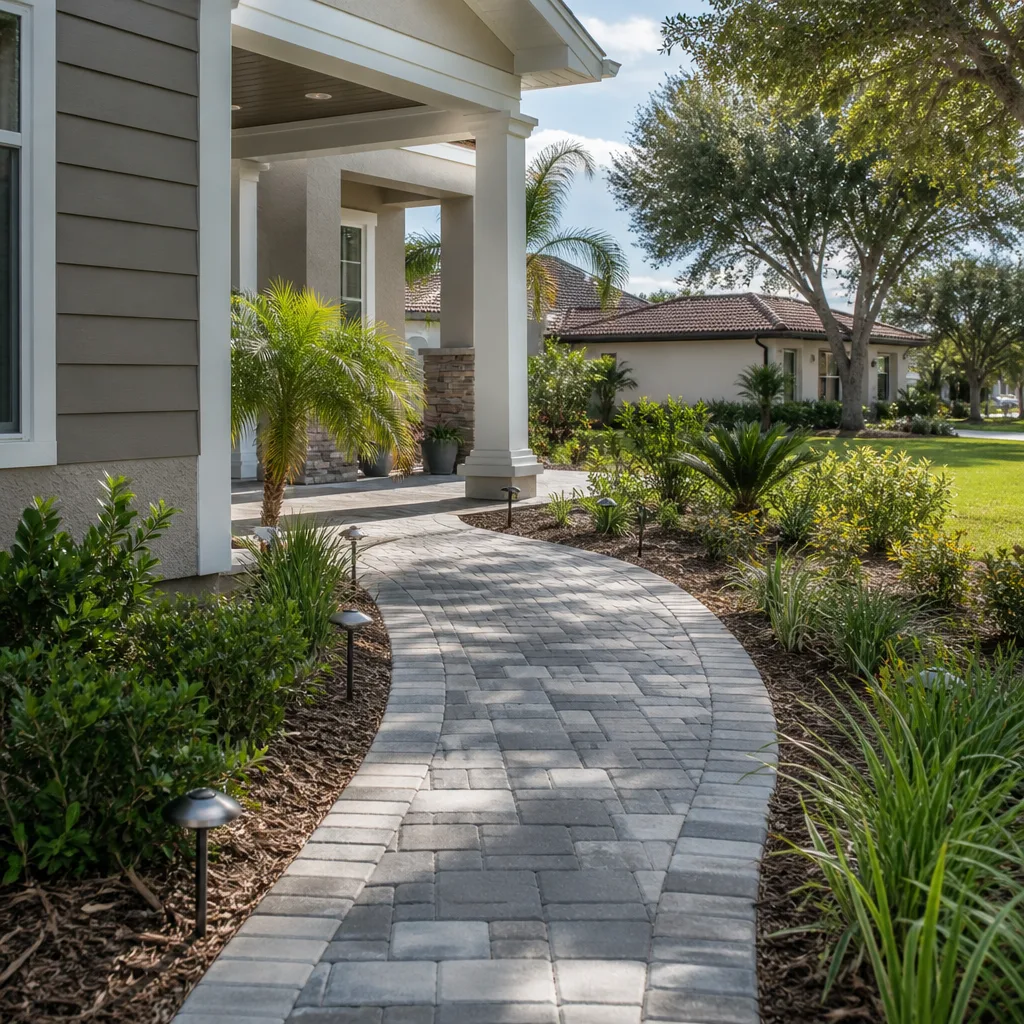
The long-term fix is usually grading and hardscape work – regrading so water sheds away from the house, adding a channel drain, or rebuilding a driveway or patio that’s pitched toward the slab instead of away from it. Engineered hardscape lines from Belgard, Unilock, and Techo-Bloc are built with proper base preparation and slope, which is why a driveway & pavers rebuild often solves a drainage problem at the same time it improves the property.
How to Tell an Emergency-Qualified Contractor from a Storm-Chaser
Storm-chasers follow hail. They arrive in unmarked trucks after a major event, offer to “handle everything with your insurance,” ask for a signed contract or a deposit on the spot, and disappear once the weather dries up. The vetting steps below separate a real local operator from that pattern:
- Verify the business exists locally and permanently. A legitimate contractor has a physical business identity, a working phone line answered by a person, and a track record in the area. Storm-chasers often have a temporary setup and a number that stops working after the season.
- Confirm the local pro is licensed and insured as Texas requires. Ask for proof of insurance specifically – general liability and workers’ compensation. A contractor who can’t produce a certificate isn’t qualified to be on your roof.
- Demand a written, line-item estimate before signing anything. The estimate should break out materials, labor, and scope. A single lump-sum number with no detail is a red flag, especially after a storm when pressure to sign is high.
- Check that permits and inspections are part of the deal. Most Texas cities require permits for structural roofing, window, and addition work. A contractor who offers to skip the permit is offering to create a problem for your next sale.
- Look for manufacturer authorization. Contractors authorized to install systems from GAF, CertainTeed, or Owens Corning carry those relationships because the manufacturers vet them. It’s a checkable signal, not a promise.
- Read the warranty language. Workmanship warranties should be written and specific. A verbal “we stand behind it” evaporates when the crew leaves town.
- Never pay a large deposit before work begins on a legitimate scope. Ask about payment structure in writing and be suspicious of anyone who wants cash up front and a signature before you’ve seen a detailed estimate.
The broader rule: if the contractor found you rather than you finding them, slow down. A vetted local partner who does roofing, windows, fencing, and drainage under one scope is far less likely to cut corners, because their reputation in Denton outlasts the storm season.
Pre-Event Preparation by Trade
Preparation works trade by trade. Each system fails in a predictable way during North Texas severe weather, and each has a specific prep step. Work through these before the season peaks:
Roofing
Inspect the roof annually, ideally before spring. Check for lifted or missing shingles, deteriorated flashing around chimneys and vents, and granule loss. Clean gutters and confirm downspouts discharge away from the house. If your roof is aging, plan the replacement on your schedule with a Class 4 system rather than on the insurance company’s schedule after a storm.
Windows and Doors
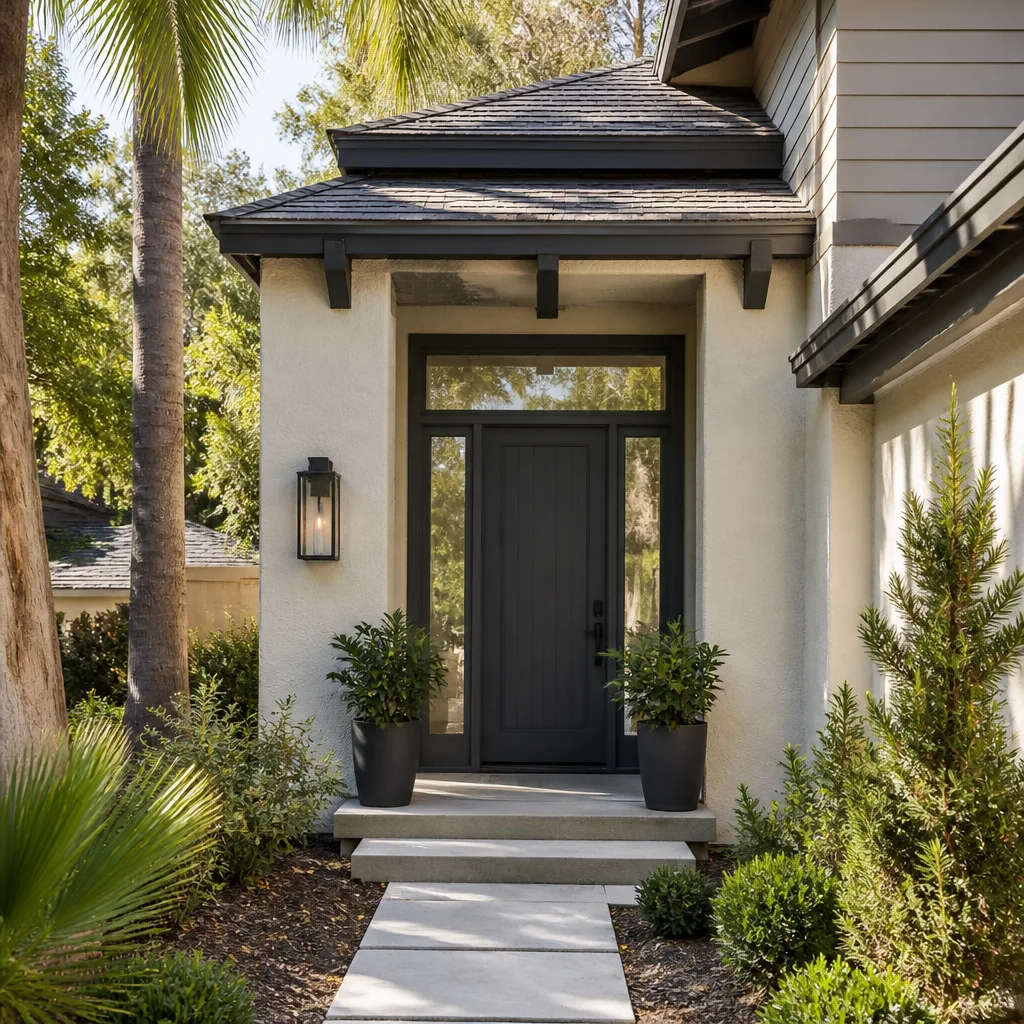
Check weatherstripping, seals, and hardware. Windows that don’t latch fully can fail under wind pressure. Impact-rated window lines such as PGT, CGI, and ECO Window Systems resist wind-borne debris and pressure far better than standard units. For any glass work or replacement, a line like Mr-Glass or ES Windows can supply the right product for the opening. Confirm every exterior door closes flush and the deadbolt engages.
Fencing
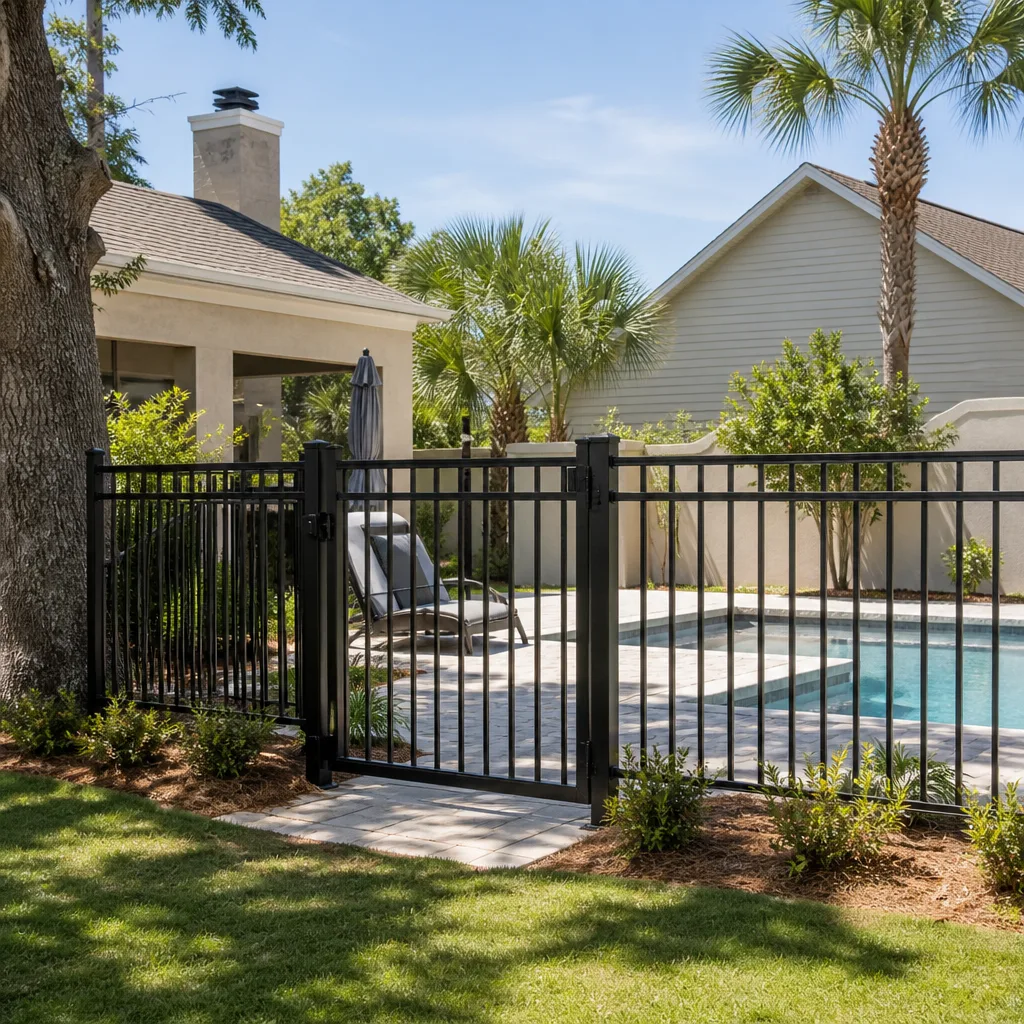
Wind is the enemy of fencing. Walk the line and check posts for rot at the base and loose panels. Metal fencing from Barrette, Master Halco, or Jerith holds up to wind better than aging wood, and it doesn’t need repainting after every season. If you’re planning a rebuild, fence installation with engineered materials is a prep step, not a repair.
Drainage
Clear every path water takes: gutters, downspouts, swales, and any hardscape that channels runoff. Check that the ground slopes away from the foundation. If water pools anywhere near the slab during normal rain, it will do worse during a flood.
Generators and Electrical Readiness
Outages follow severe storms, and a home medical device or a sump pump that stops working is a real emergency. Have a licensed electrician assess any backup power setup, and never run a portable generator indoors or in an attached garage. Carbon monoxide kills quietly. Electrical work is dangerous; never attempt panel or generator wiring yourself.
The Correct Recovery Sequence After a Storm
After a storm passes, the natural instinct is to start calling contractors immediately. The right sequence is different, and following it protects your claim and your safety:
- Make sure everyone is safe and the structure is sound. If you smell gas or see sparks, leave and call from outside. Never walk on a damaged roof to “check” it. High-tension components and roof height are not places to improvise.
- Document first, clean up second. Take the photo sequence before you move debris, because the layout of fallen limbs and damage tells the adjuster the story.
- Call your insurer and open the claim. Get a claim number and a point of contact. Ask what they need and in what format.
- Get a free written estimate from a vetted contractor. The estimate should be line-item and match the claim scope. Free estimates cost you nothing and give you a second set of experienced eyes on the damage.
- Handle temporary protection – and only that. Tarping a damaged roof and boarding broken windows prevents further damage. Emergency board-up is genuinely urgent; full reconstruction is planned work that waits for the claim.
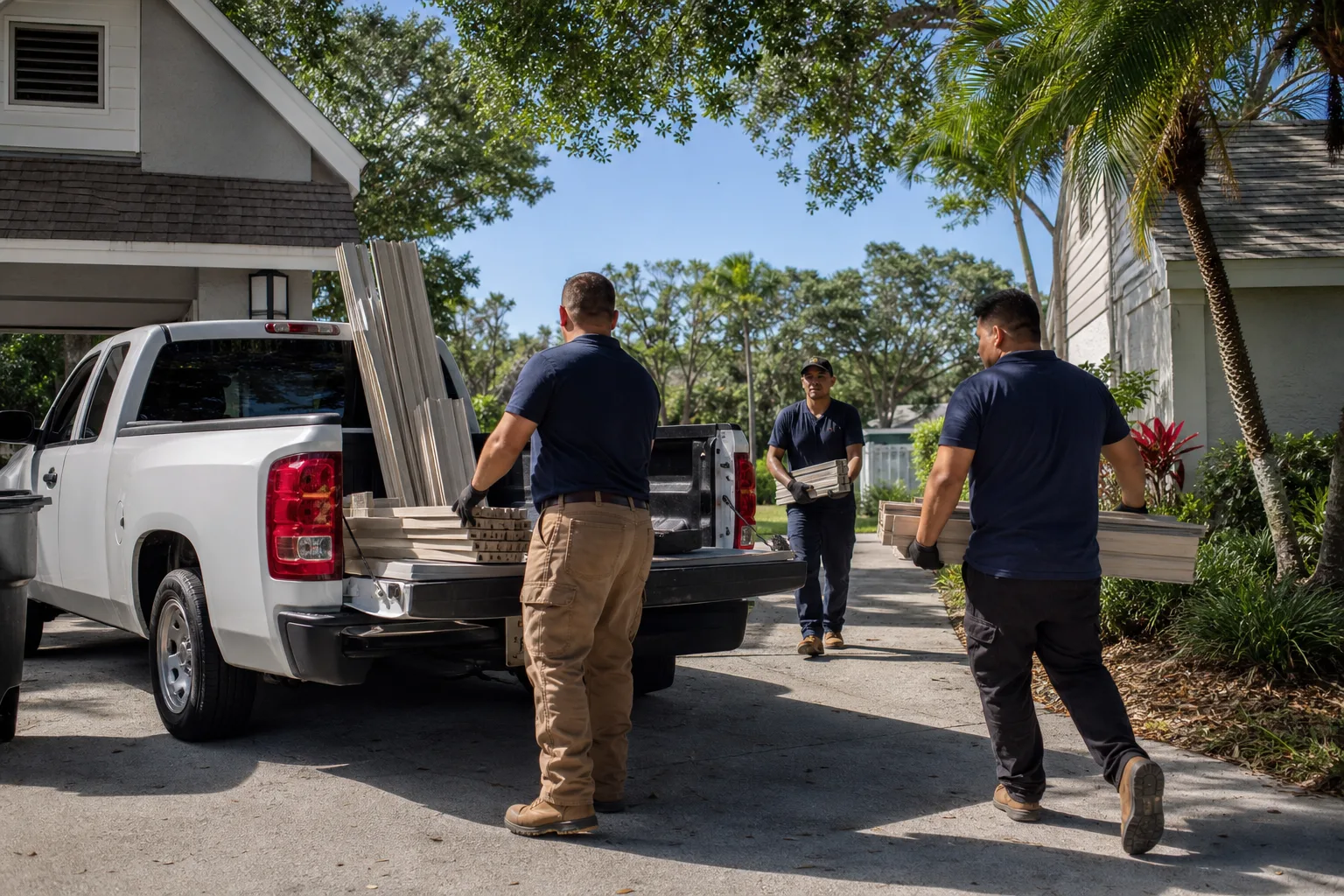
- Schedule the permanent repair once the scope is agreed. Permits, materials, and inspections get planned. This is where a single contractor covering roofing, windows, fencing, and drainage stops the project from becoming a coordination job you don’t have time for.
If the storm took out an addition or you’re considering a rebuild rather than a pure repair, a home additions & ADU partner can assess the cost difference between restoring what was there and building back better. Prefab and modular paths from manufacturers like Abodu, Dvele, or Plant Prefab sometimes shorten the rebuild timeline compared to stick-built work, which matters when a family is displaced.
Common Mistakes to Avoid
- Signing with the first contractor who knocks. Storm-chasers arrive within hours of a Denton hail event with a compelling pitch. Slow down, verify insurance and licensing, and get a written line-item estimate before anything gets signed.
- Photographing damage after cleanup. Moving fallen limbs and boarding windows before you document destroys the evidence an adjuster relies on. Photo sequence first, cleanup second.
- Installing standard 3-tab shingles in a hail region. The upfront savings disappear the first time a Class 4-rated competitor roof survives a storm that sends yours to the claim line. In Denton County, this choice repeats itself every hail season.
- Letting water sit against the foundation. After a flash flood, every hour water stays pooled against a slab in expansive soil increases the chance of foundation movement. Clear and redirect within the first day.
- Skipping the pre-season baseline photos. Without a record of the exterior before the season, an adjuster can’t easily separate new damage from normal wear. Take the baseline shots annually and store them.
- Treating one system in isolation. Repairing a roof without addressing the gutters or grading that dispose of the water leaves the foundation exposed. Exterior prep and repair should be planned together.
- Assuming emergency speed means emergency cost. The estimate sets the price per job regardless of when the work happens. Be skeptical of anyone who frames urgency as a reason to pay more before you’ve seen the scope.
See the difference
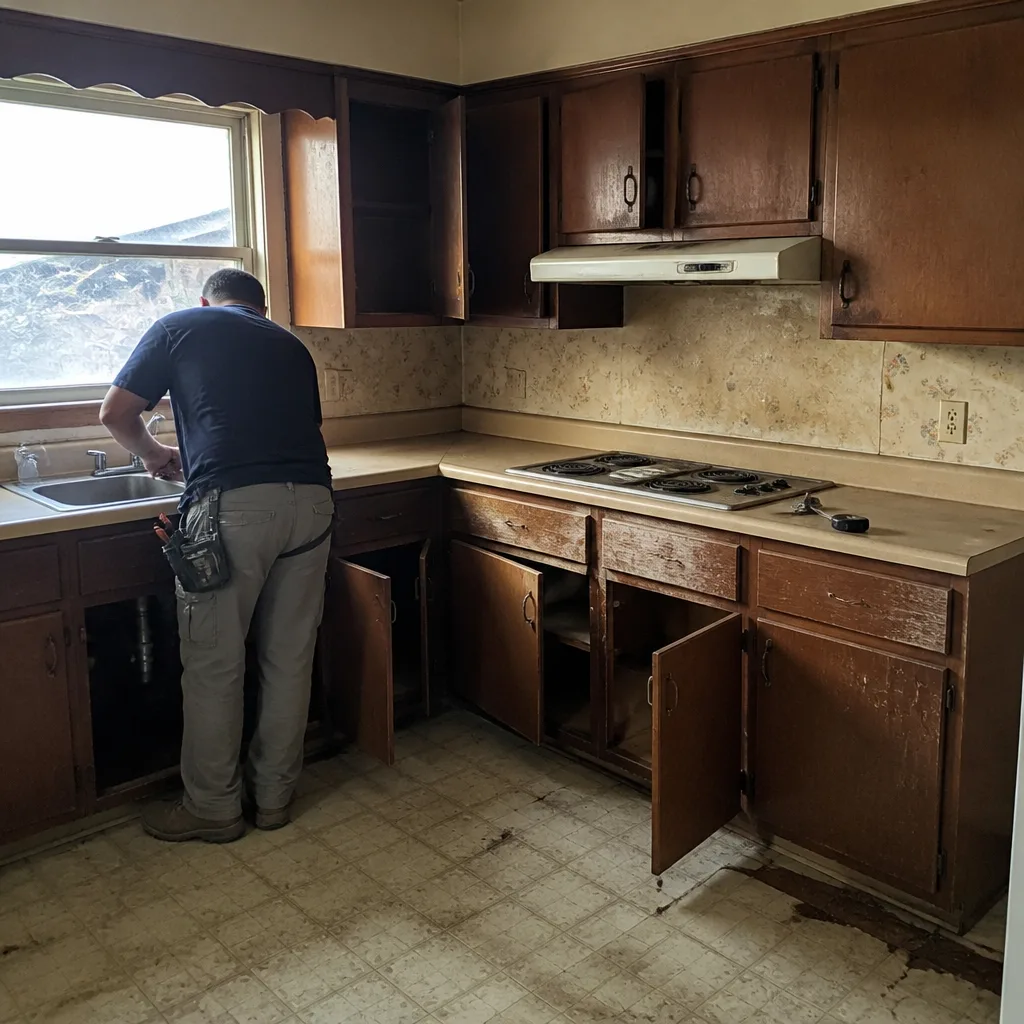 Before
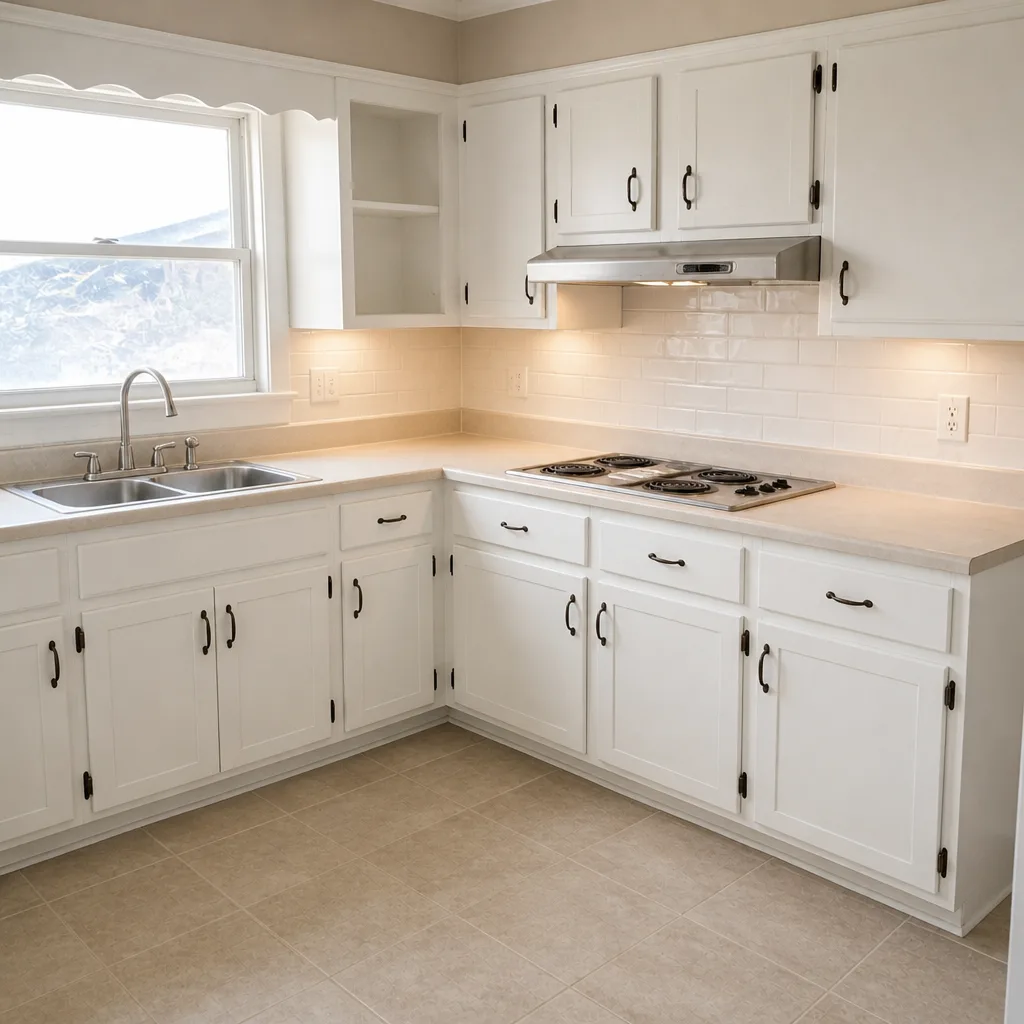 After
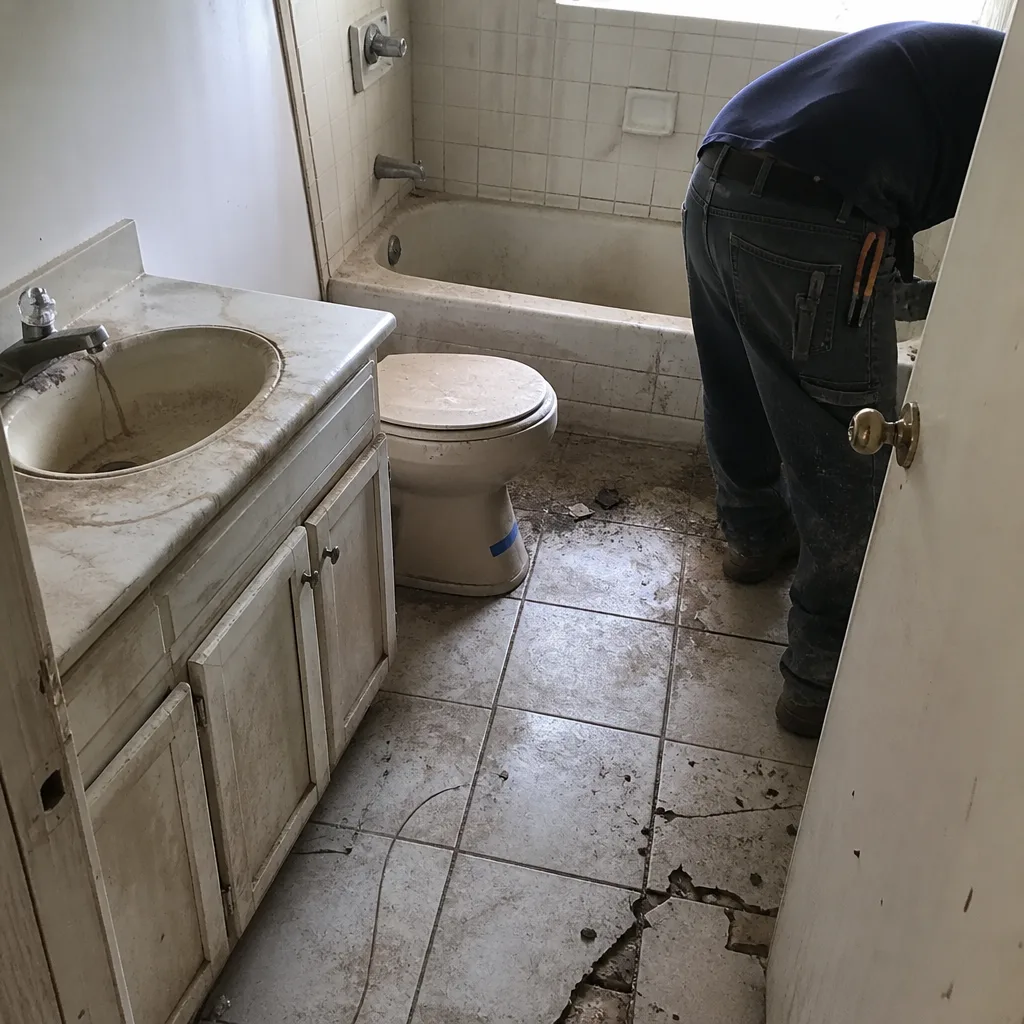 Before
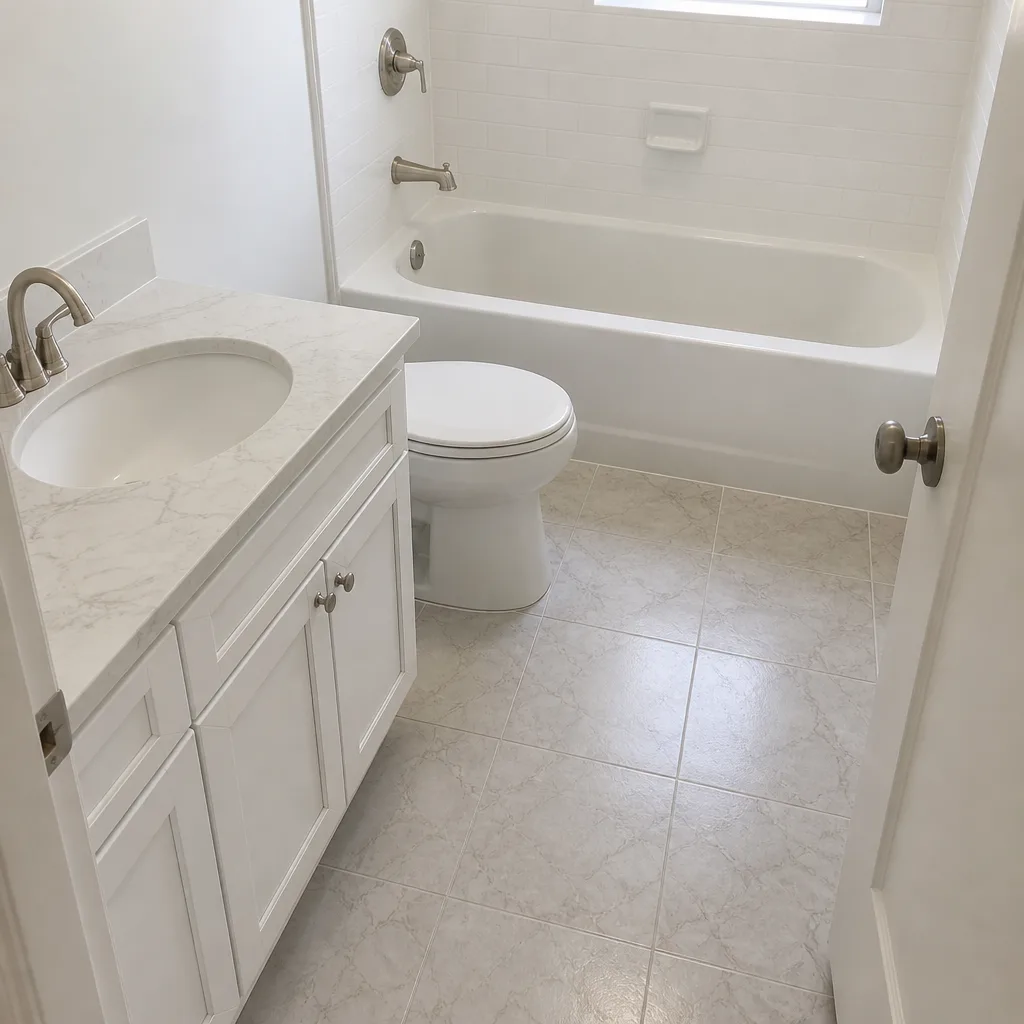 After
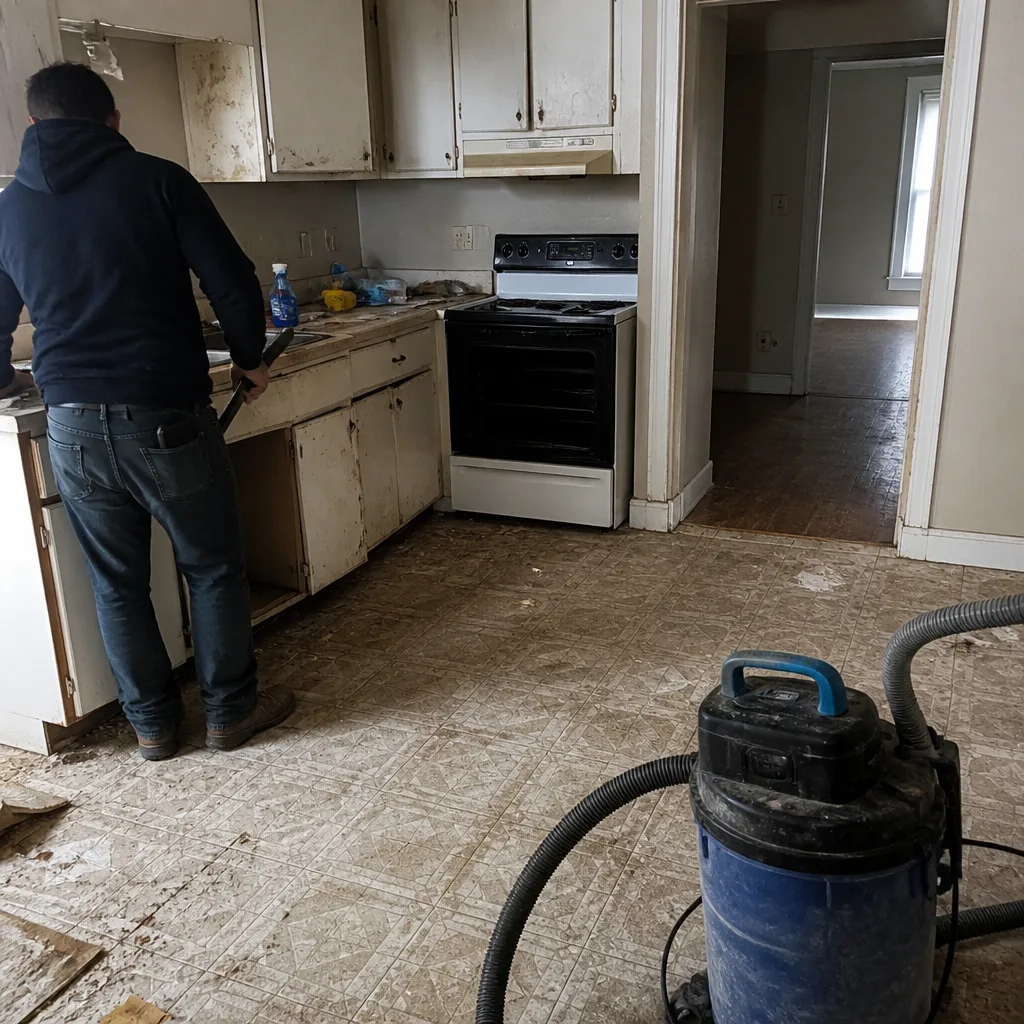 Before
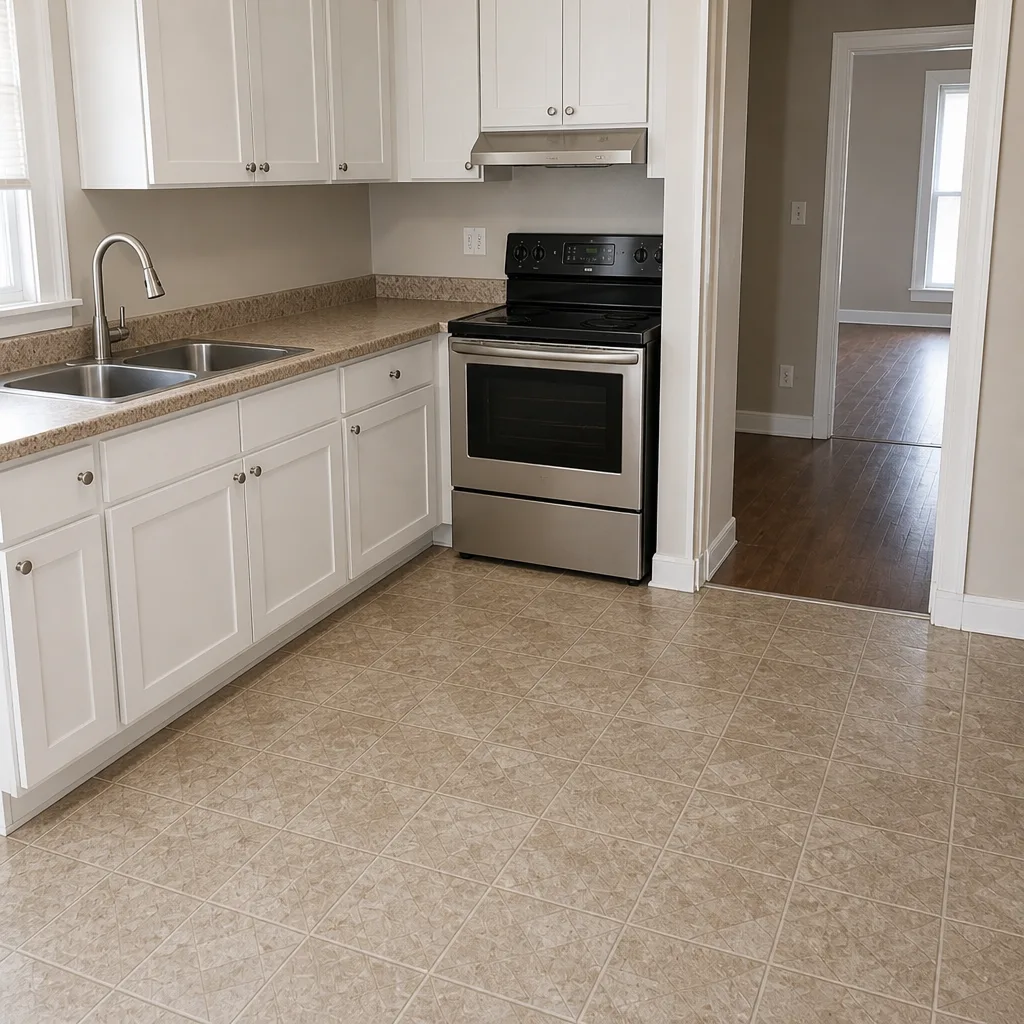 After
When to Call a Professional
Some jobs are safe to handle yourself and some aren’t. Call a professional immediately for: any water intrusion reaching the slab, attic, or interior; damage that includes missing or displaced roofing; broken window glass or a door that won’t secure; a fence that’s down and exposing the yard; and any electrical panel, generator wiring, or gas line concern. Never walk on a damaged roof or work near high-tension springs, panels, or gas lines – these are genuinely dangerous and require trained, insured pros. For planned work, a free estimate is the right first call. Construction Denton offers free estimates in Denton – call (855) 720-1779. We answer 24/7. Fast dispatch from 7am to 7pm, Sunday through Friday. Every job is priced per the written estimate, and we pull permits and pass inspections as required.
Frequently Asked Questions
Storm damage repair in Denton is priced per job from the written estimate, because the cost depends entirely on the scope of damage – a roof repair is a different number from a roof replacement, window set, or full exterior restoration. The honest path is a free on-site estimate with a line-item breakdown you can compare to your insurance claim. Call (855) 720-1779 to schedule your free estimate.
Often yes, though the exact amount depends on your carrier and policy. Texas insurers are permitted to offer discounts for Class 4 impact-rated roofing systems, and many do. Ask your insurer directly what they offer before you choose a roofing product, because the discount can offset a meaningful share of the upgrade. Call (855) 720-1779 for an estimate on a Class 4 system.
Wide shots of the whole property from the street or property line, then structural overviews, then close-up detail shots, then any water and drainage evidence before it dries. Date-stamp everything and save the originals unedited. If you’re unsure what your adjuster needs, call (855) 720-1779 and we’ll walk you through the documentation order for free.
In expansive North Texas soils, water pooled against a slab can begin causing movement within days, not months, and the first 72 hours of drainage management are the most important. Clear gutters and downspouts, redirect water away from the foundation, and photograph evidence immediately. If water sat against the house for more than a few hours, call (855) 720-1779 for an assessment.
Yes. Most cities in Texas require permits for structural roofing, window replacement, and reconstruction work, and we pull them and pass inspections as part of the scope. A contractor who offers to skip the permit is creating a problem for your next sale or insurance claim. Ask about the permit in your estimate or call (855) 720-1779.
Yes, and it’s the main reason to choose a full-scope partner before an emergency rather than after. Construction Denton covers driveway and pavers, fence installation, home additions and ADUs, bathroom remodeling, windows and doors, roofing, and kitchen remodeling under one roof – so a storm repair across multiple systems stays coordinated instead of fragmented among four crews. Call (855) 720-1779 to schedule your free estimate.
The Bottom Line
Denton construction emergencies are predictable. Hail, wind, and flash flooding from the Trinity River watershed arrive on a schedule, and the homes that come through with the least damage and the cleanest claims are the ones prepared in advance. Buy the Class 4 roofing system now, before the claim forces the decision. Photograph your exterior before storm season and keep the baseline. Clear drainage paths and know where water goes. Vet your contractor before you need one urgently, because storm-chasers follow the same weather you do. And when damage does come, document first, clean up second, and hire the local partner whose reputation will still be here after the season. Preparation is construction work, and it pays for itself.
Contact

Whether you’re planning the pre-season upgrade or dealing with storm damage right now, we’ll give you a free estimate and a written, line-item scope that matches the work. Call (855) 720-1779. We answer 24/7. Fast dispatch from 7am to 7pm, Sunday through Friday. From the driveway to the roofline, one contractor can cover every phase.
Written by the team at Construction Denton.